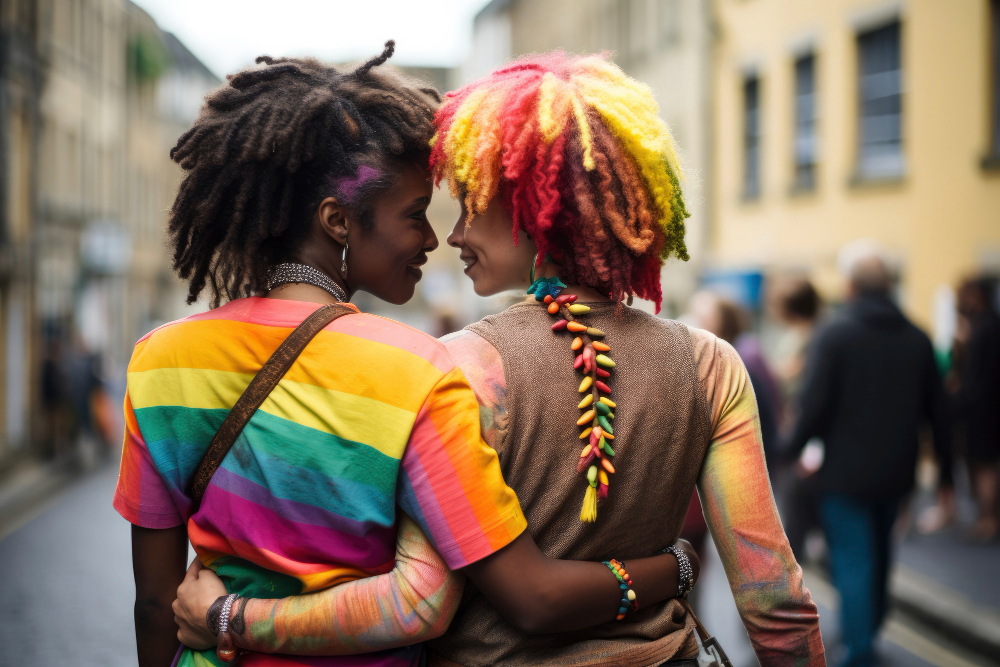
African queer activists have shaped LGBTQ+ movements across the continent through courage, resilience and unwavering commitment to justice. Many of their stories remain hidden due to stigma, censorship and safety concerns. Exploring these untold stories honors their work and helps strengthen community pride and awareness.
Why These Stories Matter
The stories of African queer activists reveal the strength behind today’s advocacy movements. Their experiences help communities understand the sacrifices made to create safer spaces.
These stories matter because they:
- Preserve queer African history
- Highlight acts of courage
- Inspire youth leaders
- Strengthen collective identity
You can learn more through our Resource Center.
Grassroots Activists Working in Silence
Many queer activists operate at the grassroots level without recognition, often risking their safety to protect others.
Grassroots activism includes:
- Creating underground support networks
- Offering safe houses
- Organizing secret community meetings
Their work is the backbone of queer survival in conservative regions.
Digital Activists Using the Power of the Internet
With restrictions on public gatherings, many activists turn to digital platforms to tell stories, share information and advocate for rights.
Digital activism includes:
- Anonymous social media campaigns
- Online storytelling
- Creating safe virtual communities
Digital spaces allow queer Africans to connect across borders.
Activists Fighting for Legal Reform
Some activists work directly with legal organizations and human rights groups to challenge discriminatory laws.
Their contributions include:
- Filing petitions
- Documenting abuses
- Supporting strategic litigation
Their courage helps push for legislative change.
Cultural and Creative Activists
Artists, filmmakers, writers and musicians often become activists by telling queer stories that challenge stigma.
Creative activism highlights:
- Identity and self expression
- Hidden queer histories
- Representation across cultures
You can explore more cultural insights through our Resource Center.
Community Healers and Mental Health Champions
Some activists serve as emotional and psychological support within queer communities.
They provide:
- Safe counseling spaces
- Peer support systems
- Guidance for identity struggles
Their work plays a vital role in community wellness.
Activists Operating in Hostile Regions
Across Africa, some activists work quietly in regions with severe legal and social penalties. Their bravery goes unnoticed but is deeply impactful.
These individuals often:
- Offer discreet support
- Build trusted networks
- Share critical safety information
Their stories reflect immense courage.
Diaspora Activists Supporting the Continent
Queer Africans living abroad also contribute significantly to advocacy efforts on the continent.
Diaspora activists support communities by:
- Funding grassroots initiatives
- Hosting awareness campaigns
- Amplifying African queer voices globally
Their work strengthens cross border solidarity.
How These Activists Shape the Future
The efforts of African queer activists continue to inspire new generations of leaders.
Their legacy supports:
- Stronger community organizing
- Increased visibility
- Expanded mental health support
- Youth led movements
You can engage with supportive spaces through our Community Page.
Frequently Asked Questions
Why are many queer activist stories hidden?
Safety concerns, censorship and stigma make public recognition difficult.
How do activists work in restrictive environments?
Through underground organizing, digital activism and discreet community networks.
Can creative work also be activism?
Yes. Art, literature and film play major roles in queer advocacy.
How does the diaspora support activists in Africa?
Through funding, awareness campaigns and amplifying local voices.
Where can I find more resources on queer advocacy?
Visit our Resource Center for guides and educational materials.
Final Call to Action
The untold stories of African queer activists remind us that advocacy is rooted in courage, sacrifice and community strength. To explore more identity tools, cultural resources and supportive networks, visit our Resource Center or connect with others through our Community Page.