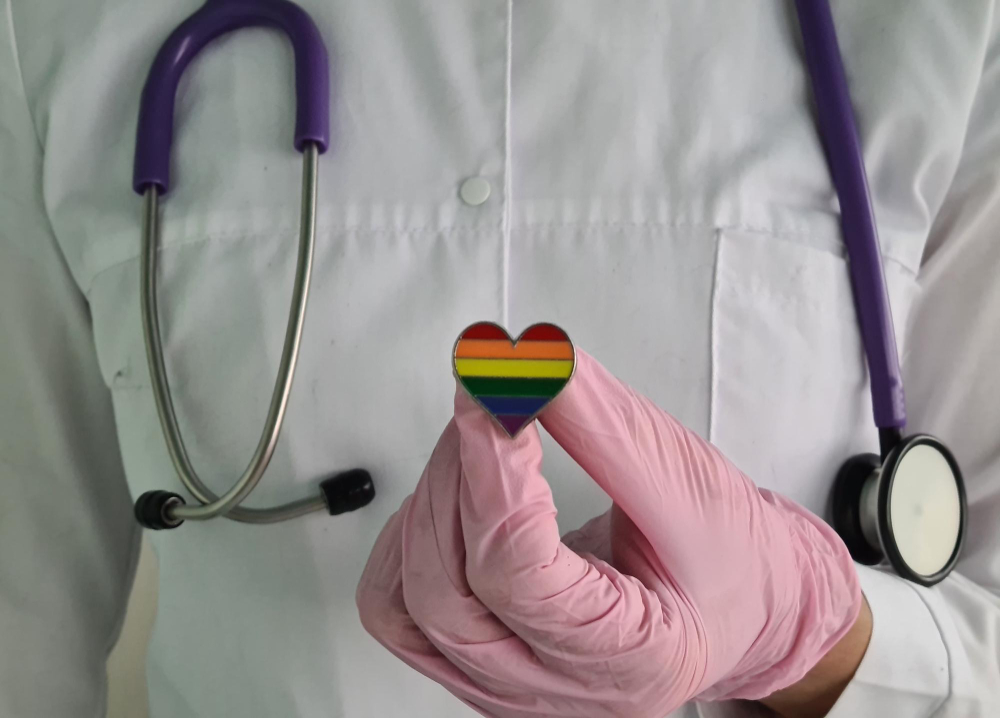

Safe sex tips for queer people in Africa are essential for promoting health, confidence and well being. Due to stigma, misinformation and limited inclusive healthcare services, many queer individuals struggle to access accurate sexual health information. Creating awareness helps queer Africans protect themselves, make informed decisions and support partners with compassion and care.
Understanding Safe Sex for Queer Bodies
Safe sex looks different for different bodies and identities. Queer people have diverse experiences, so understanding anatomy based safety rather than orientation based assumptions helps everyone stay protected.
Safe sex involves:
- Reducing the risk of sexually transmitted infections
- Communicating clearly with partners
- Using protective tools correctly
- Accessing reliable health care information
You can explore sexual health education through our Resource Center which offers helpful materials.
Communication Is the First Step to Safety
Open communication with partners is essential for safe sex. Clear conversations reduce anxiety and create mutual trust.
Communication may include discussing:
- Boundaries and comfort levels
- Use of protection
- STI testing
- Consent and expectations
These conversations strengthen emotional safety as well as physical safety.
Protection Options for Different Sexual Activities
Protection comes in many forms depending on the type of sexual activity. Understanding these tools empowers queer individuals to choose what works best.
Protection options include:
- External and internal condoms
- Dental dams for oral sex
- Lubricants to reduce tearing
- Gloves for intimate hand play
Accessible safe sex practices help promote healthier experiences.
Why Lubrication Is Essential
Lubrication plays a major role in safe sex especially for queer people engaging in activities that may increase friction.
Lubricants help:
- Reduce the risk of tearing
- Prevent condom breakage
- Increase comfort and safety
- Support longer intimacy sessions
Water based lubricants are usually the safest option for condom use.
Regular STI Testing Builds Confidence and Safety
Regular STI testing is a key part of responsible sexual health. Testing helps individuals detect infections early and protect themselves and their partners.
Benefits of testing include:
- Early treatment
- Reduced transmission
- Peace of mind
- Stronger relationships
If you need guidance on how to access queer inclusive health information, our Support Page provides helpful direction.
Consent Must Always Be Clear and Respected
Consent is the foundation of safe sexual experiences. It ensures that everyone involved feels comfortable, respected and willing.
Consent means:
- A clear, enthusiastic yes
- The ability to change your mind
- Respecting boundaries
- Mutual agreement without pressure
Consent protects emotional and physical wellbeing.
Understanding PrEP and HIV Prevention
Pre exposure prophylaxis (PrEP) is a powerful HIV prevention tool that many queer Africans are beginning to access. When taken correctly, PrEP significantly reduces the risk of HIV transmission.
PrEP education includes:
- How it works
- Where to access it
- The importance of adherence
- Regular checkups while on PrEP
Accurate HIV prevention knowledge is vital for queer health.
Addressing Shame and Sexual Health Stigma
Stigma can prevent queer people from seeking sexual health support. Addressing internal and societal shame helps individuals embrace sexual wellbeing with confidence.
Overcoming stigma involves:
- Learning factual information
- Talking to supportive communities
- Challenging internalized fear
- Recognizing that sexual health is normal and important
You can find supportive communities on our Community Page.
Creating a Personal Safety Plan
A personal safety plan helps queer people navigate sexual relationships while staying healthy.
A safety plan may include:
- Knowing where to access condoms and lubricants
- Scheduling regular testing
- Setting communication boundaries
- Identifying trusted support sources
This empowers individuals to take control of their health.
Frequently Asked Questions
Why is safe sex especially important for queer people in Africa?
Many face stigma, misinformation and limited access to inclusive healthcare services.
What protection methods work best?
External condoms, internal condoms, dental dams and water based lubricants are effective for different activities.
How often should I get tested?
Regular testing every three to six months is recommended for sexually active individuals.
Is PrEP available in Africa?
Yes, PrEP is available in many African countries through clinics and community health programs.
How can I talk to my partner about safe sex?
Be open, honest and calm. Discuss boundaries, protection and consent clearly.
Final Call to Action
Safe sex tips for queer people in Africa empower individuals to make healthier, safer and more confident choices. To explore sexual health resources, educational guides and supportive communities, visit our Resource Center or connect through our Community Page. Your health and wellbeing matter, and you deserve safe, informed and affirming experiences.