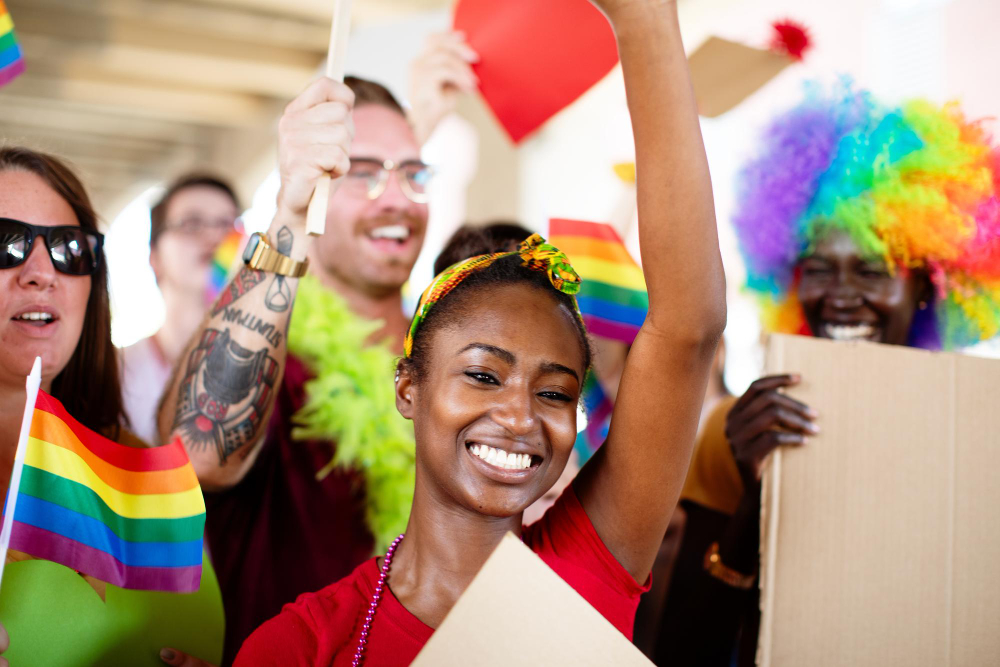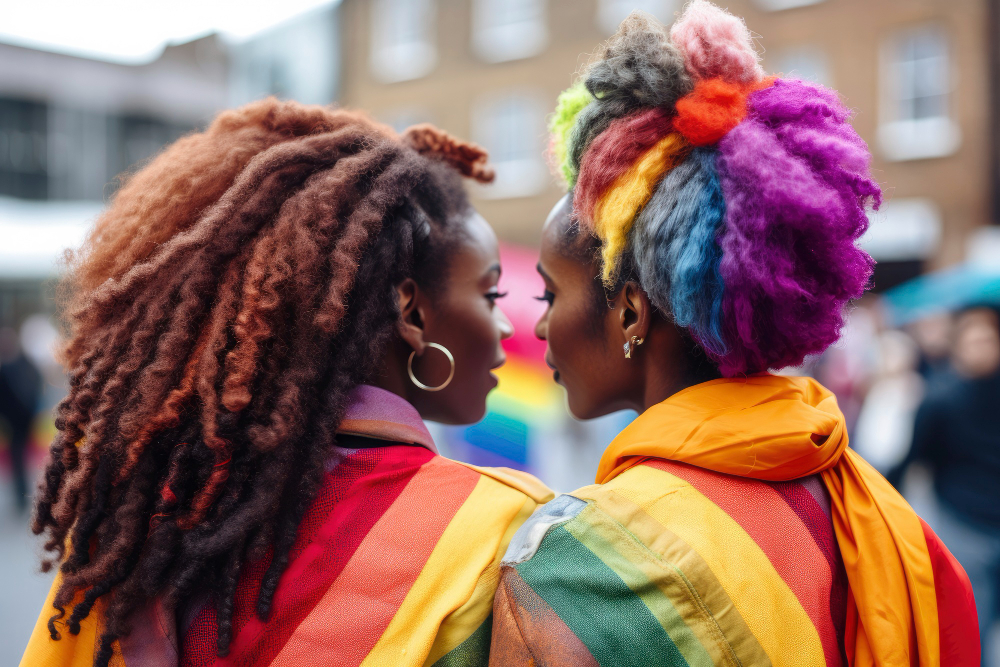
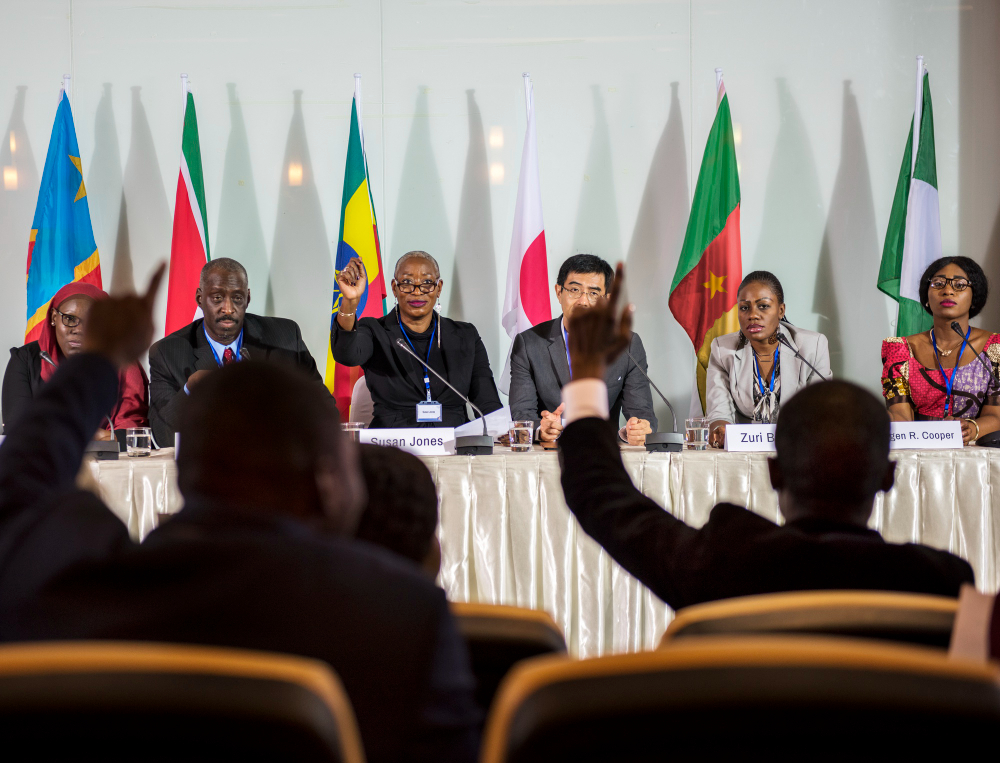
Representation in African politics and media has a powerful influence on how societies view queer identities. When LGBTQ+ people are visible in leadership roles storytelling platforms and public conversations it challenges stereotypes, reshapes narratives and promotes dignity. For queer Africans visibility is not only symbolic it is essential for safety equality and the advancement of human rights.
Visibility Shapes Public Perception
Representation impacts how communities understand and relate to queer identities. When politicians journalists filmmakers and creators include queer stories or speak openly about LGBTQ+ rights it helps reduce stigma and misinformation.
Visibility encourages communities to:
- Recognize diverse identities
- Question harmful stereotypes
- Understand real life experiences
- Build empathy and acceptance
You can explore more educational materials on identity and representation through our Resource Center which offers tools for awareness and empowerment.
Representation Strengthens Political Advocacy
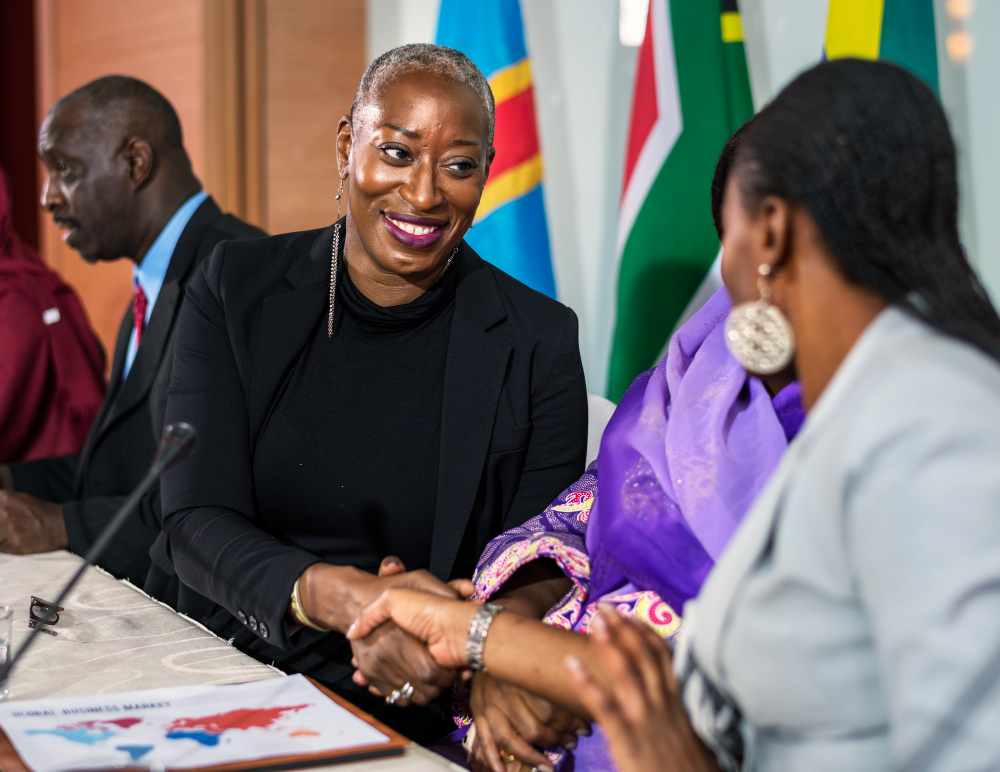
Queer representation in political spaces is crucial for shaping policies that protect rights and ensure safety. When LGBTQ+ people or allies hold positions of influence they can challenge discriminatory laws and promote inclusive legislation.
Political representation helps:
- Amplify marginalized voices
- Ensure fair policy debates
- Protect vulnerable groups
- Shift national conversations
Even in countries with restrictive laws young activists and allies are finding creative ways to influence governance and advocate for change.
Media as a Tool for Cultural Transformation
Media plays a significant role in shaping cultural attitudes across Africa. Films music journalism and digital storytelling bring queer experiences into the public eye creating opportunities for understanding and compassion.
Media representation supports:
- Authentic storytelling
- Normalization of queer identities
- Challenging misinformation
- Highlighting lived experiences
When queer stories are told with respect and accuracy they help reshape cultural narratives and inspire acceptance.
Digital Media Expands Access to Queer Narratives
Digital platforms have become safe spaces for queer visibility across Africa. Social media content creators journalists and activists use online platforms to share experiences educate communities and build supportive networks.
Digital representation enables:
- Anonymous engagement
- Access to diverse stories
- Community solidarity
- Global visibility
Our Community Page offers a gateway to digital spaces where queer individuals can connect and engage safely.
Representation Encourages Youth Empowerment
Young people across Africa are redefining narratives around queerness using their voices talents and platforms to promote acceptance. Youth led advocacy campaigns contribute new perspectives and inspire others to embrace authenticity.
Representation empowers queer youth to:
- Feel seen and valued
- Explore identity confidently
- Participate in activism
- Influence future generations
Barriers to Representation in Politics and Media
Despite progress significant barriers remain. Societal stigma limited legal protections and cultural misconceptions often silence queer voices or exclude them from public platforms.
These challenges include:
- Fear of discrimination
- Limited media access
- Restrictive government policies
- Cultural resistance to LGBTQ+ visibility
Advocacy efforts led by local and international organizations including Human Rights Watch and Amnesty International continue to push back against these barriers.
The Role of Allies in Strengthening Representation
Allies in politics media and everyday communities play an essential part in promoting visibility. Their support helps amplify queer voices and opens doors for inclusive storytelling and policymaking.
Allies can support by:
- Sharing accurate information
- Promoting inclusive narratives
- Creating opportunities for queer voices
- Challenging harmful rhetoric
Frequently Asked Questions
Why is representation important for queer Africans
It reduces stigma promotes visibility strengthens advocacy and normalizes queer identities within society.
Can media truly change public attitudes
Yes authentic media representation challenges misinformation and helps communities empathize with queer experiences.
How does political visibility help LGBTQ+ people
It enables inclusive policy development protects rights and brings queer issues into national discussions.
What role does digital media play
Digital media provides safe spaces for queer expression education and global solidarity.
How can allies support representation
Allies can uplift queer stories promote inclusion and challenge harmful stereotypes in their communities.
Final Call to Action
Representation in African politics and media is essential for building a future where queer Africans are seen respected and protected. To explore more educational tools and supportive networks visit our Resource Center or connect through our Community Page. Together we can strengthen visibility and advocacy across the continent.