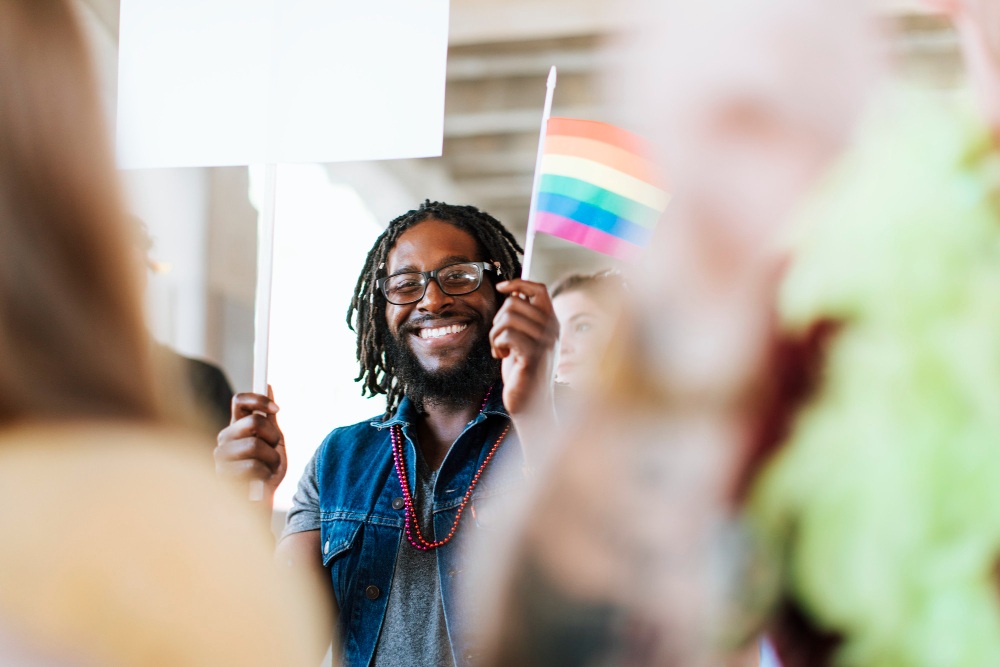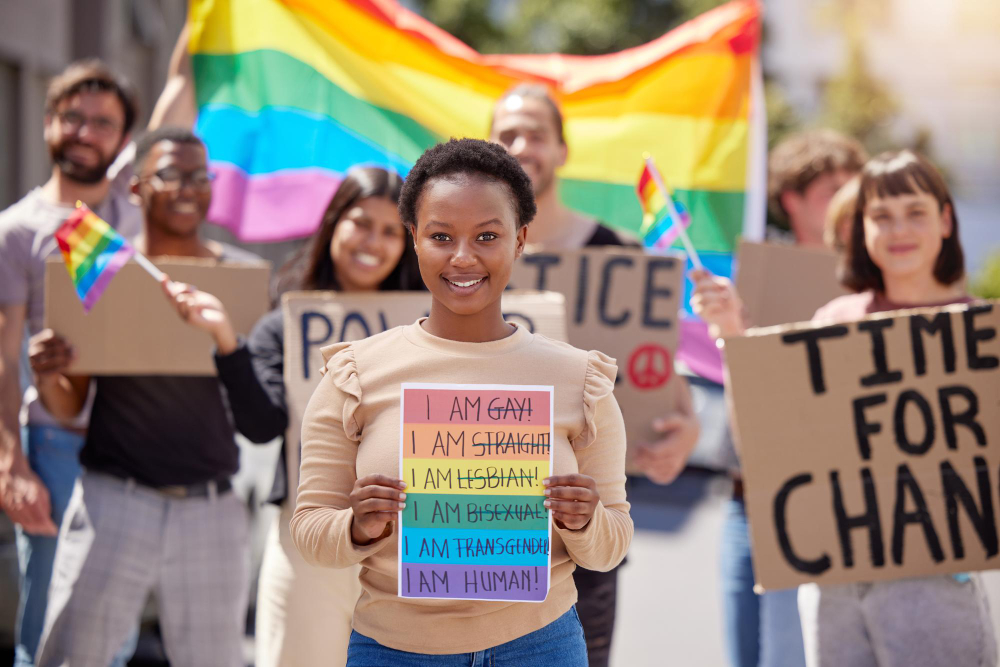
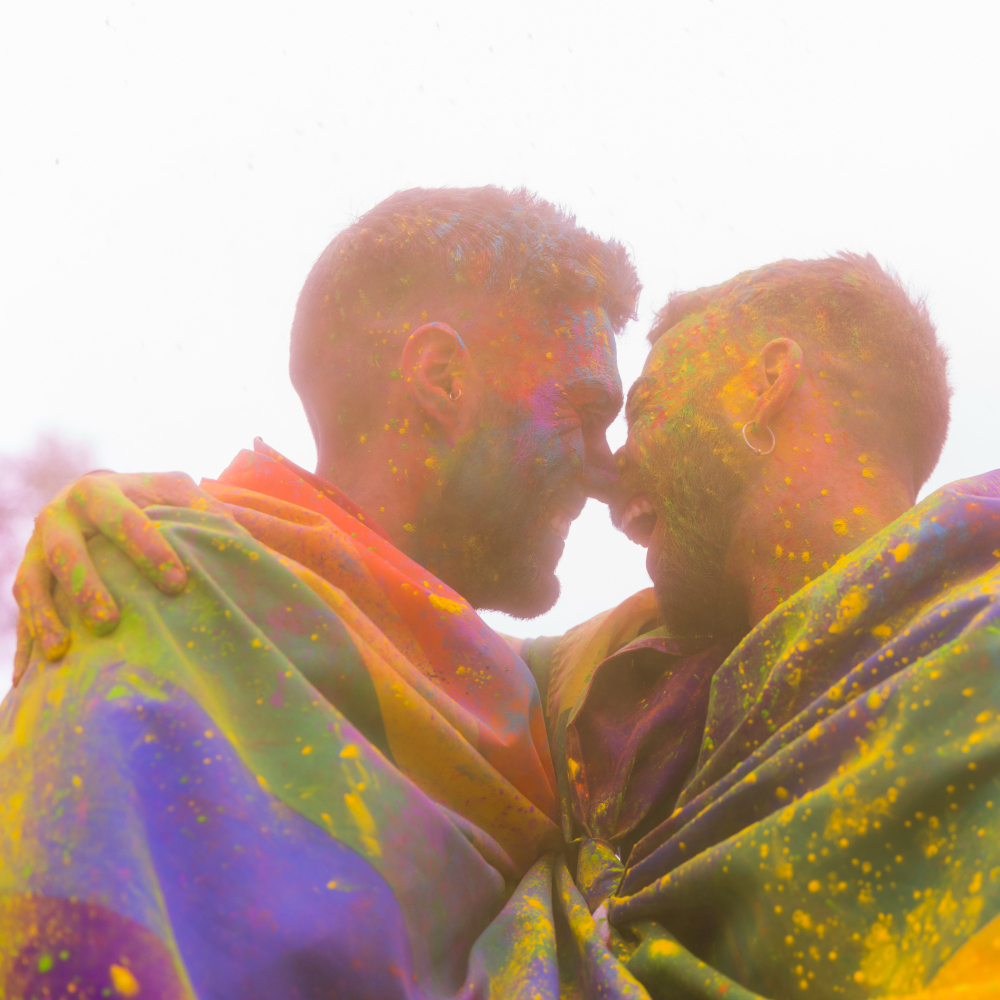
Queer visibility in media is essential for shaping understanding, challenging stereotypes and creating safer environments for LGBTQ+ individuals. In Africa, where public conversations about sexuality and identity are often limited or restricted, media representation becomes a powerful tool for education and empowerment. Visibility helps queer Africans feel seen, validated and connected to a wider community.
Representation Shapes Identity and Self Worth
Seeing relatable queer characters or public figures helps individuals understand their identity more confidently.
Media representation supports:
- Self acceptance
- Emotional wellbeing
- Pride in identity
- Reduced isolation
You can explore more identity and wellbeing guides through our Resource Center.
Media Breaks Harmful Stereotypes
When queer individuals are misrepresented or erased, harmful myths spread easily. Positive media visibility challenges these misconceptions.
Accurate representation helps:
- Correct misinformation
- Reduce stigma
- Show the diversity within queer communities
- Humanize LGBTQ+ experiences
Breaking stereotypes is essential for cultural progress.
African Creators Are Transforming Queer Narratives
More African storytellers are reclaiming narratives that were once censored or distorted. Through film, podcasts, photography, music and digital series, they portray queer life with honesty and depth.
Modern creators highlight:
- Queer joy
- Queer relationships
- Activism and resilience
- Everyday life experiences
These stories reshape how society understands LGBTQ+ communities.
Visibility Encourages Social Acceptance
When audiences encounter queer stories in everyday media, acceptance grows naturally.
Visibility builds acceptance by:
- Normalizing queer experiences
- Encouraging dialogue
- Showing shared humanity
- Reducing fear and misconceptions
This process slowly transforms communities over time.
Media Strengthens Advocacy and Activism
Media plays a major role in amplifying LGBTQ+ rights movements. Through documentaries, interviews, social media campaigns and storytelling, media empowers activists to reach wider audiences.
Media driven activism supports:
- Legal reforms
- Human rights awareness
- Community mobilization
- Global solidarity
You can explore advocacy tools on our Community Page.
Queer Visibility Helps Youth Feel Seen
Queer youth often struggle to find representation in their immediate environments, especially in conservative regions.
Media visibility helps young people:
- Feel less alone
- Understand their identity earlier
- Access safe information
- Build emotional resilience
Representation can be life changing for queer youth.
The Power of Social Media for Queer Visibility
Digital platforms allow queer Africans to share stories safely and anonymously when needed.
Social media helps by:
- Creating virtual support networks
- Sharing art, stories and personal experiences
- Providing access to global queer communities
Digital visibility strengthens connection across borders.
Challenges in Queer Media Representation
Despite progress, queer Africans still face obstacles when seeking visibility.
Barriers include:
- Censorship
- Safety concerns
- Misrepresentation in mainstream media
- Pressure to hide identity
These challenges highlight the need for more inclusive storytelling.
Frequently Asked Questions
Why does queer visibility matter?
It reduces stigma, increases acceptance and empowers individuals to embrace their identity.
Is queer representation growing in African media?
Yes. More creators are telling authentic stories across film, music and digital platforms.
How does media support queer youth?
By offering representation that validates their identity and reduces isolation.
Can media help activism?
Yes. Media amplifies human rights movements and spreads awareness.
Where can I find more LGBTQ+ educational resources?
You can explore guides through our Resource Center.
Final Call to Action
Queer visibility in media matters because it shapes perception, strengthens identity and builds more accepting communities. To explore more cultural education, advocacy tools and community support, visit our Resource Center or connect with others through our Community Page.