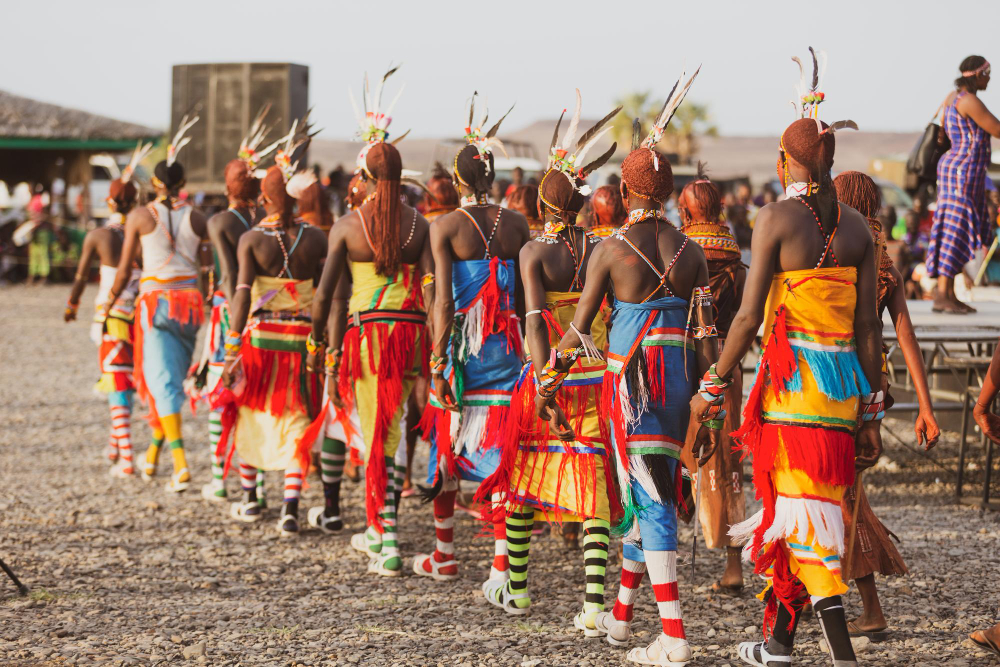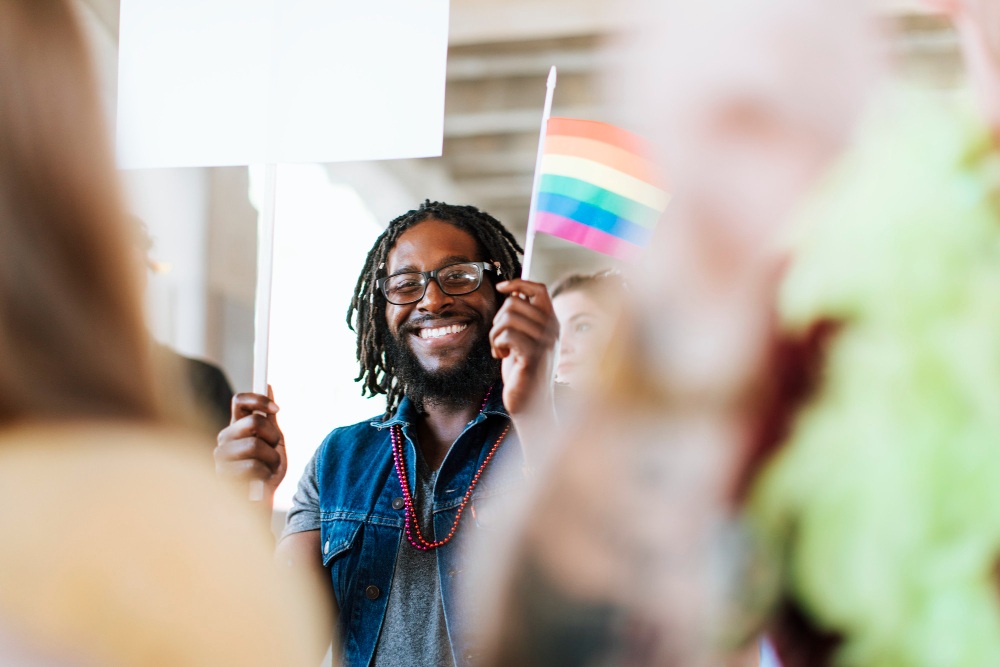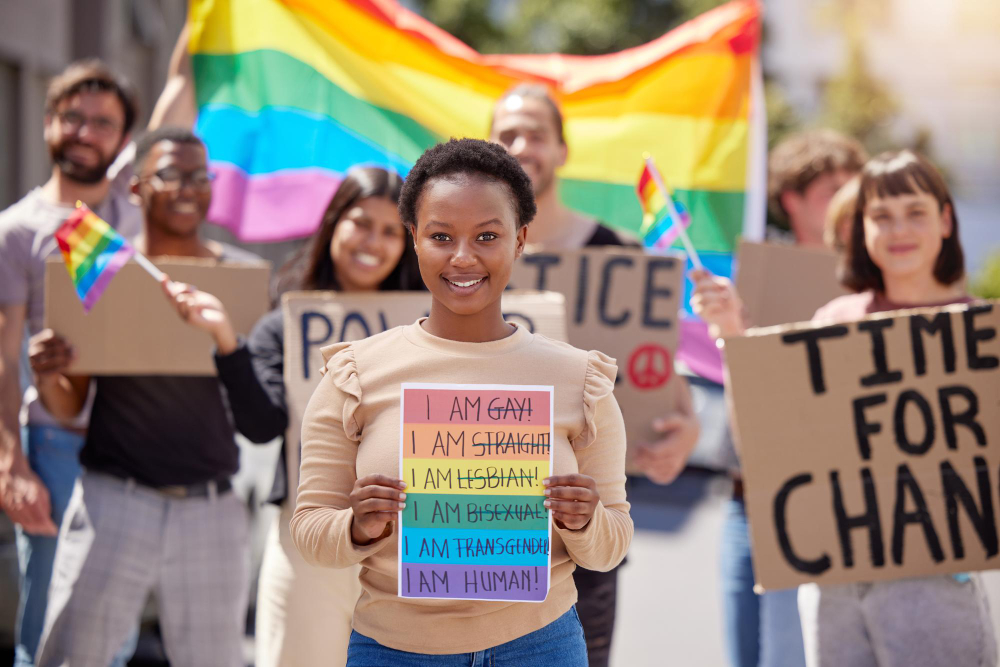

Queer storytelling in African films has grown steadily over the past decade as filmmakers reclaim narratives that were often silenced or erased. Through bold creativity, authentic representation and powerful visual experiences, African queer cinema is challenging old stereotypes and creating space for LGBTQ stories on screen. These films highlight identity, love, resilience and community, offering a transformative lens into queer life across the continent.
How African Filmmakers Are Expanding Queer Narratives
African filmmakers are moving beyond coded symbolism and subtle themes to embrace open, unapologetic queer storytelling.
This creative shift has been influenced by:
- Increased digital distribution
- Growing youth activism
- Community led filmmaking projects
- Support from global film festivals
These elements have created safer, more visible pathways for queer stories.
Rafiki A Landmark in African Queer Cinema
Wanuri Kahiu’s film Rafiki became a global sensation for its honest portrayal of queer love in Kenya. Despite facing censorship, the film broke barriers and opened international conversations about African LGBTQ representation.
Rafiki’s impact includes:
- Mainstream visibility for queer African cinema
- International recognition and awards
- Inspiring youth led film movements
The film remains a cornerstone of queer storytelling in Africa.
South Africa’s Role in Queer Film Visibility
South Africa continues to lead the continent in LGBTQ inclusive cinema due to its legal protections and active creative industry.
South African films often explore:
- Queer romance
- Identity and belonging
- Family and cultural tensions
These films play a vital role in normalizing queer narratives.
West Africa’s Underground and Indie Film Movements
In West Africa, queer films often emerge from underground creators using low budget tools, digital platforms and independent production.
These films rely on:
- Community support
- Digital screenings
- Anonymous storytelling
Filmmakers in this region use creativity to navigate restrictive environments.
Documentary Films Amplify Real Queer Experiences
African documentaries are increasingly capturing the real lives of LGBTQ individuals, offering truthful perspectives often missing from mainstream media.
Documentaries highlight:
- Activism journeys
- Human rights challenges
- Stories of identity and community
These films help preserve queer African history.
You can explore more educational content through our Resource Center.
The Power of Digital Platforms in Queer Cinema
Digital platforms have allowed queer African filmmakers to reach global audiences without relying on traditional distributors.
Online film sharing supports:
- Safer storytelling
- Wider audience reach
- Creative freedom
Streaming and social media have been essential for visibility.
Film as a Tool for Queer Activism
Queer storytelling in African films is not only artistic—it is also deeply political. These films challenge harmful narratives and create empathy.
Film based activism contributes to:
- Community empowerment
- Reducing stigma
- Promoting human rights
- Encouraging youth advocacy
You can find advocacy resources on our Community Page.
The Future of Queer African Cinema
As more queer Africans enter filmmaking, the industry continues to grow with fresh genres and perspectives.
Future trends may include:
- Larger scale productions
- International collaborations
- More open representation
- Expansion of queer film festivals
The next generation of filmmakers is shaping a bold new era.
Frequently Asked Questions
Why is queer storytelling important in African cinema?
It increases representation, challenges stigma and preserves cultural history.
Which African film first brought major attention to queer stories?
Rafiki by Wanuri Kahiu gained global recognition for its groundbreaking portrayal of queer love.
Are queer African films widely accessible?
Many are available through digital platforms, festivals and community networks.
Do filmmakers face challenges creating queer films?
Yes. Challenges include censorship, funding limitations and safety risks.
Where can I learn more about queer African creatives?
You can explore cultural guides and resources through our Resource Center.
Final Call to Action
The rise of queer storytelling in African films marks a powerful shift in representation, visibility and community pride. To explore more cultural insights, educational guides and community support, visit our Resource Center or connect with others through our Community Page.