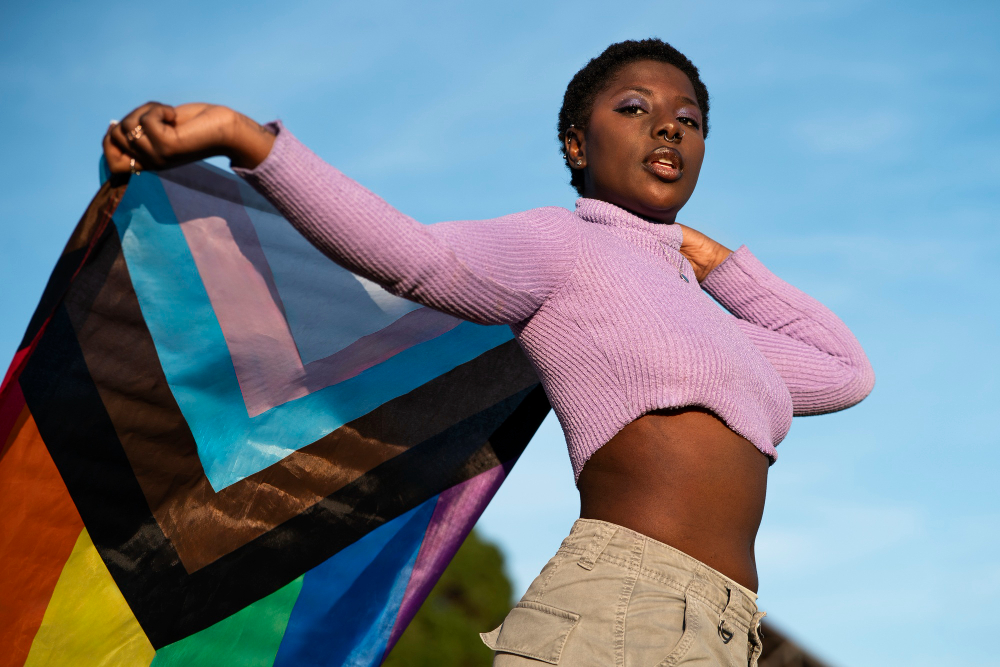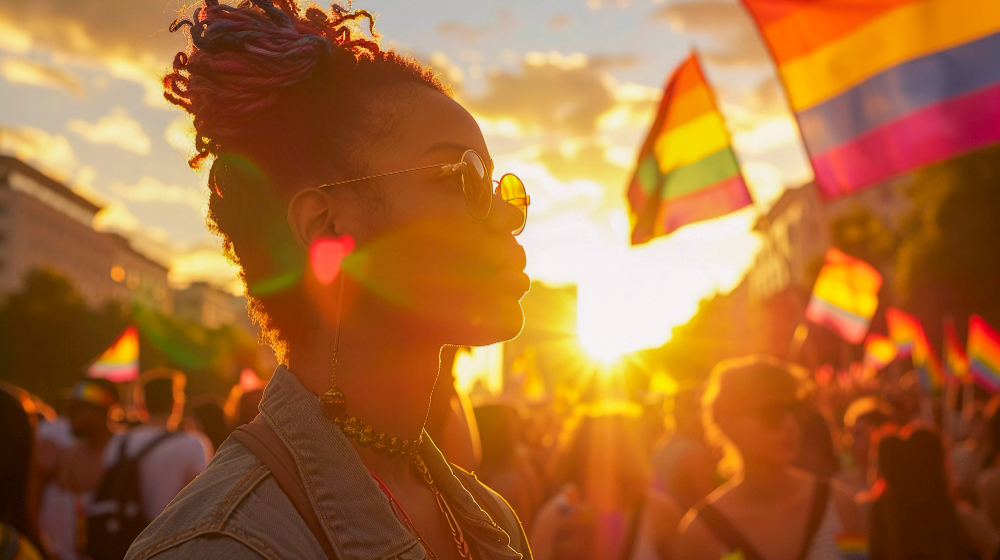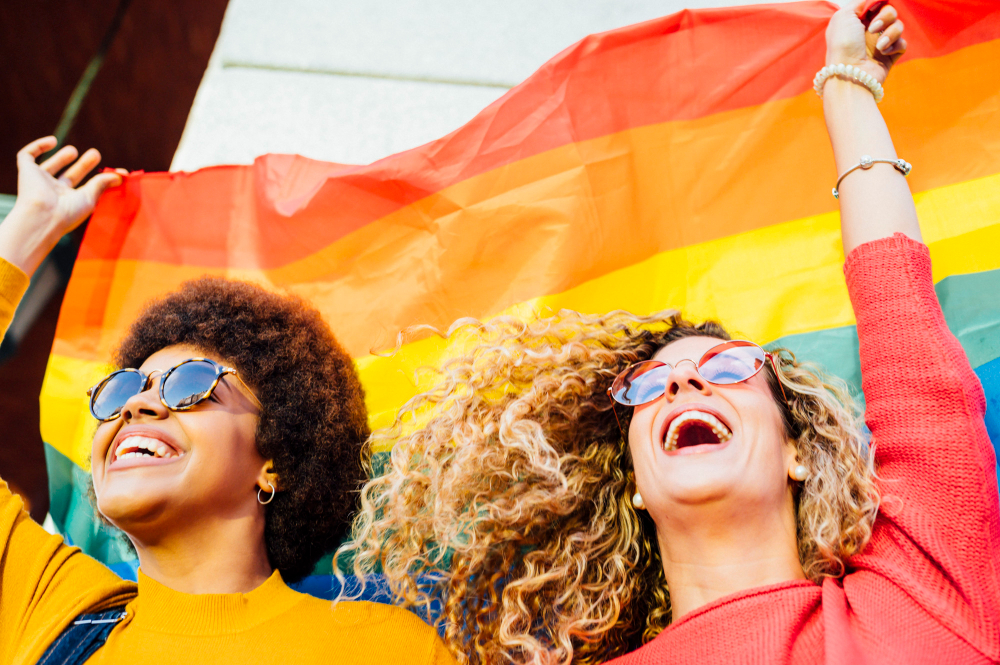
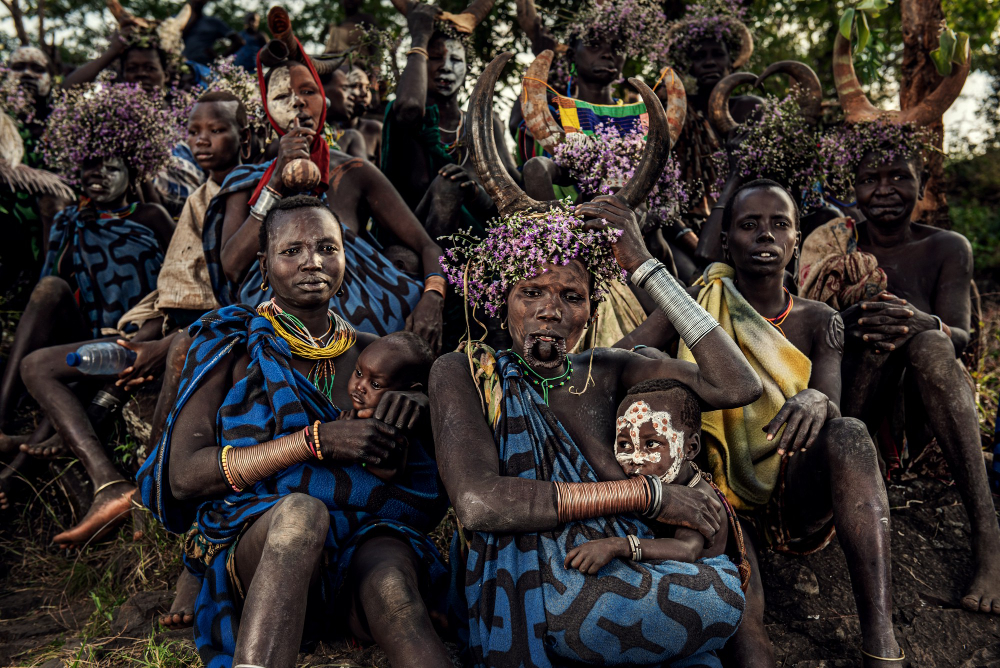
Being queer in a rural African community presents unique challenges shaped by tradition, cultural expectations and limited access to supportive spaces. For many LGBTQ+ people, rural environments can feel isolating, yet they also hold stories of resilience, self discovery and silent courage. This blog explores these lived realities and highlights how queer individuals navigate identity in places where acceptance may be hard to find.
The Weight of Tradition and Cultural Expectations
Rural areas are often deeply rooted in tradition, with social norms passed down through generations. These expectations can make queer identity difficult to express openly.
Common pressures include:
- Strong gender roles
- Expectations of heterosexual marriage
- Fear of bringing “shame” to the family
These pressures shape daily life for many queer Africans.
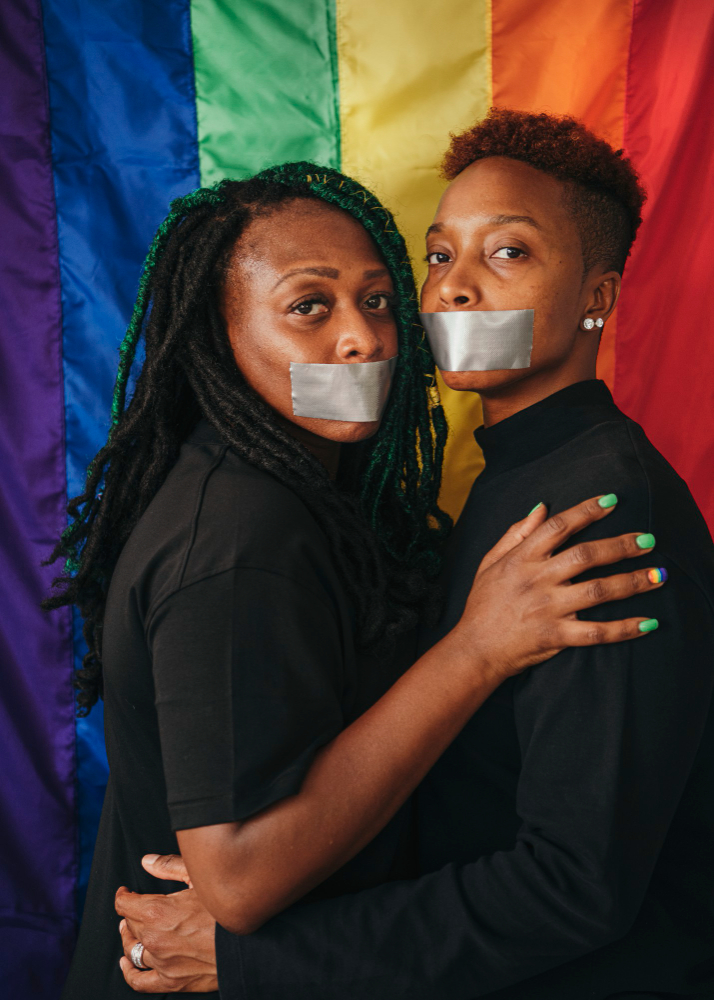
Silence as Survival
In many rural environments, silence becomes a shield. Speaking openly about sexuality or identity can lead to gossip, stigma or even danger.
Silence often means:
- Hiding relationships
- Editing personality traits
- Avoiding queer topics altogether
This silence is not a lack of pride but a strategy for safety.
Isolation and Limited Support
Rural queer individuals frequently have fewer safe spaces or supportive communities nearby.
Isolation is influenced by:
- Lack of LGBTQ aware healthcare
- No local support groups
- Limited internet access
- Fear of being outed accidentally
Many find support through online communities such as those connected to our Community Page, which offer safer virtual spaces.
Family Influence and Fear of Rejection
Family bonds in rural Africa are strong, but they can also be sources of anxiety for queer individuals.
Common fears include:
- Losing family support
- Being forced into relationships
- Experiencing emotional or spiritual pressure to “change”
This fear often shapes how and when individuals choose to come out.
Finding Small Moments of Freedom
Despite restrictions, queer Africans in rural communities still find ways to experience joy, identity and self expression.
Moments of freedom may include:
- Private friendships
- Secret relationships
- Creative expression through art or writing
- Online queer communities
These small spaces offer emotional breathing room.
The Role of Digital Communities
The internet has become a lifeline for many rural queer Africans, offering information, friendship and support.
Digital spaces provide:
- Anonymous conversations
- Access to mental health resources
- LGBTQ inclusive education
Our Resource Center also offers useful tools for those navigating identity.
Navigating Healthcare as a Queer Person
Accessing affirming healthcare can be difficult in rural areas, where providers may lack knowledge or hold conservative views.
Challenges include:
- Fear of discrimination
- Limited privacy at clinics
- Lack of LGBTQ friendly health resources
Our Support Page provides mental health and identity wellbeing guides that many find helpful.
Resilience and Quiet Strength
Despite obstacles, queer people in rural African communities often develop extraordinary resilience.
This resilience appears through:
- Carving out personal identity
- Creating chosen families
- Finding courage in everyday life
Their strength often becomes an inspiration to others.
Frequently Asked Questions
Is it dangerous to be queer in rural African areas?
It can be depending on the region, but many use safety strategies to navigate daily life.
How do rural queer individuals find community?
Online platforms, trusted friendships and discreet networks.
Are there queer friendly resources for rural communities?
Yes. Digital tools, mental health resources and educational guides are available through our Resource Center.
Can someone live authentically while staying safe?
Yes, though many balance authenticity with caution.
What support exists for rural queer youth?
Virtual communities, mental health tools and safe identity resources available through the Support Page.
Final Call to Action
Being queer in a rural African community is a unique journey filled with challenges and moments of profound strength. If you’re navigating identity in a rural environment, remember that support exists. Explore educational tools, mental health resources and community networks through our Resource Center or connect with others through our Community Page.