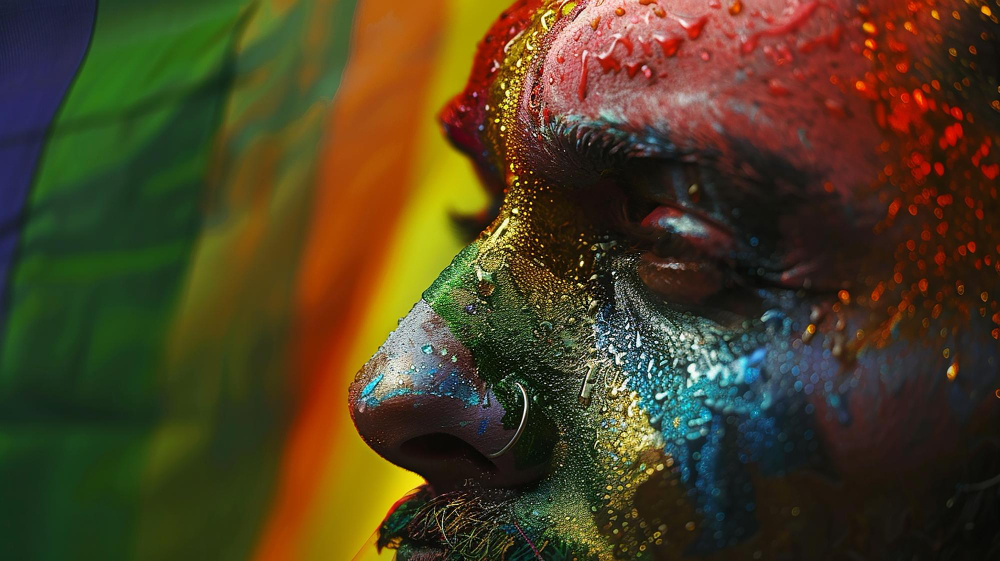
Queer expression in African art has existed for centuries, long before colonial influence reshaped cultural narratives. Sculptures, textiles, masks, music, oral literature and spiritual symbolism across the continent reflect diverse gender identities and same sex relationships. Understanding this history shows that queerness is not new, foreign or un African—it is deeply woven into African creativity.
Queer Expression Was Embedded in Spiritual and Cultural Art
Many African art forms were created for spiritual, ceremonial or communal purposes. Within these traditions, gender fluidity and nonconforming identities were embraced as natural.
Examples include:
- Ritual masks with both feminine and masculine features
- Figures representing dual gendered spirits
- Costumes used in ceremonies where gender roles were intentionally blurred
These forms demonstrate that art was a safe space for fluid identities.
Dual Gender Motifs in Traditional Sculptures
Across different regions, sculptors carved figures that blended traditionally masculine and feminine attributes. These works represented balance, power and spiritual duality.
Dual gender sculptures symbolized:
- Harmony between masculine and feminine energies
- The presence of gender fluid deities
- Respect for individuals outside the gender binary
Such pieces challenge the myth that queerness is foreign to African tradition.
Masks That Represent Fluid Identities
Many ethnic groups designed masks that shifted between identities. These masks allowed wearers to embody roles not traditionally tied to their assigned gender.
In certain cultures:
- Male performers used feminine masks
- Female performers used masculine masks
- Some masks represented non binary spirits
These performances were respected, celebrated and central to community rituals.
Storytelling and Oral Literature Celebrated Queer Themes
African oral traditions thrive on symbolism, metaphor and layered meaning. Many stories feature characters who transform gender, love same sex partners or possess dual spiritual identities.
Oral literature preserved:
- Myths of gender shifting deities
- Same sex love stories
- Tales where heroes switch roles across gender lines
These stories highlight queerness as part of cultural identity.
You can explore more cultural and historical content through our Resource Center.
Body Art and Adornment as Expressions of Identity
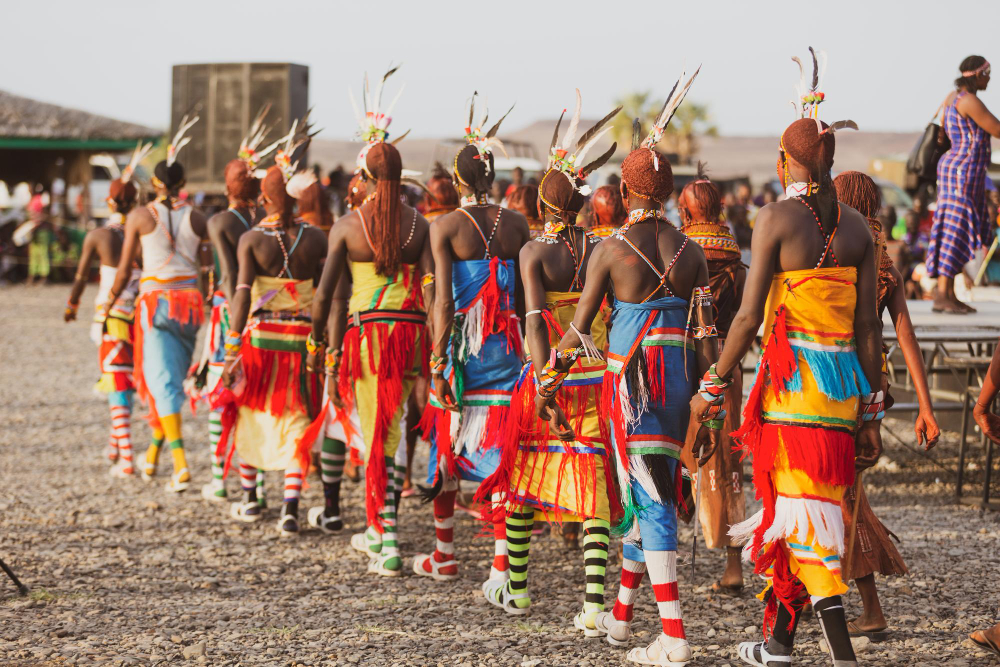
Body painting, scarification, beadwork and adornment were used not only for beauty, but to express identity and spiritual power.
Some communities used adornment to:
- Express gender fluidity
- Indicate same sex partnerships
- Mark individuals with special spiritual roles
These expressions were considered honorable, not shameful.
Music and Dance as Queer Cultural Expression
African music and dance have always celebrated movement, transformation and storytelling. Many traditional dances allowed performers to step outside gender norms.
Dance offered:
- Freedom of expression
- Safe spaces for fluid performance
- Community acceptance of diverse roles
These artistic forms continue to empower queer Africans today.
Colonialism Attempted to Silence Queer Art
European colonizers imposed rigid gender rules and criminalized queer identities, leading to the suppression of artistic expressions that had existed for centuries.
Colonial influence brought:
- Censorship of indigenous art
- Misinterpretation of dual gender symbols
- Criminalization of same sex relationships
Yet, despite suppression, queer expression survived in various art forms.
Modern African Artists Reclaim Queer Narratives
Today, many African artists boldly reinterpret ancestral traditions to celebrate queer identity.
These modern creators:
- Use photography, sculpture, painting and performance
- Reclaim erased histories
- Challenge stigma and inspire pride
Their work continues the legacy of African queer expression.
How Art Strengthens Queer Identity and Community
Art gives queer Africans a sense of visibility, belonging and cultural grounding.
African art strengthens community by:
- Validating diverse identities
- Highlighting shared heritage
- Encouraging advocacy and self acceptance
You can connect with supportive communities through our Community Page.
Frequently Asked Questions
Has African art always included queer expression?
Yes. Many pre colonial art forms represented gender fluidity and same sex relationships.
Why is queer African art not widely known?
Colonial censorship and historical silence hid much of this expression, but it survives through art and oral traditions.
Which art forms contain queer symbolism?
Masks, sculptures, beadwork, dance, music and storytelling.
Are modern African artists continuing this history?
Yes. Many contemporary artists reclaim and amplify queer narratives.
Where can I learn more about queer African culture?
You can explore learning tools and guides in our Resource Center.
Final Call to Action
Queer expression in African art reveals a powerful truth—queerness has always been part of African identity. To explore more cultural history, empowerment guides and community support, visit our Resource Center or engage with others through our Community Page.