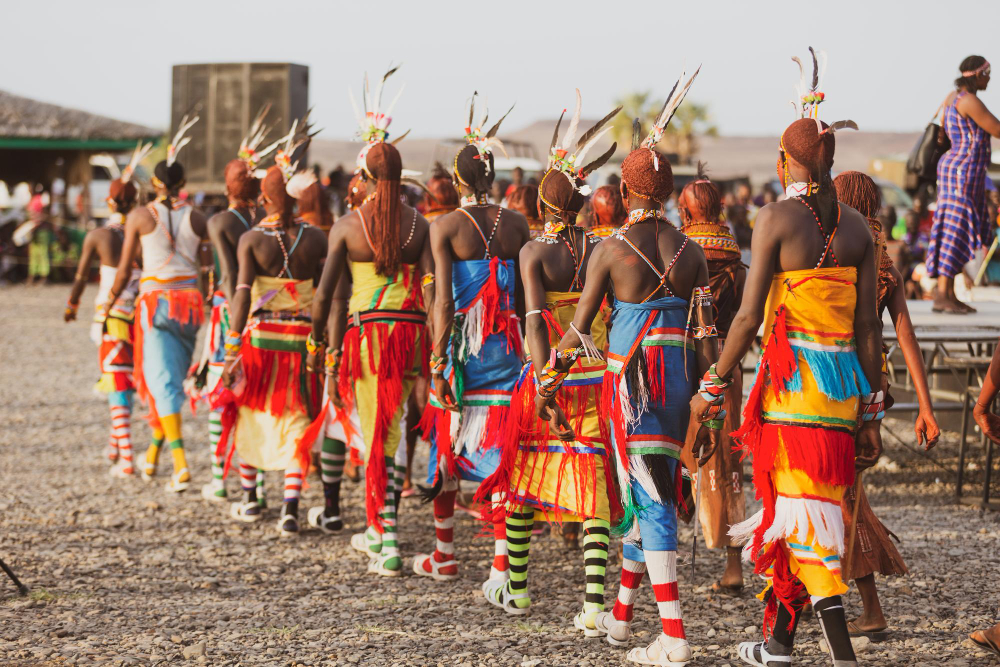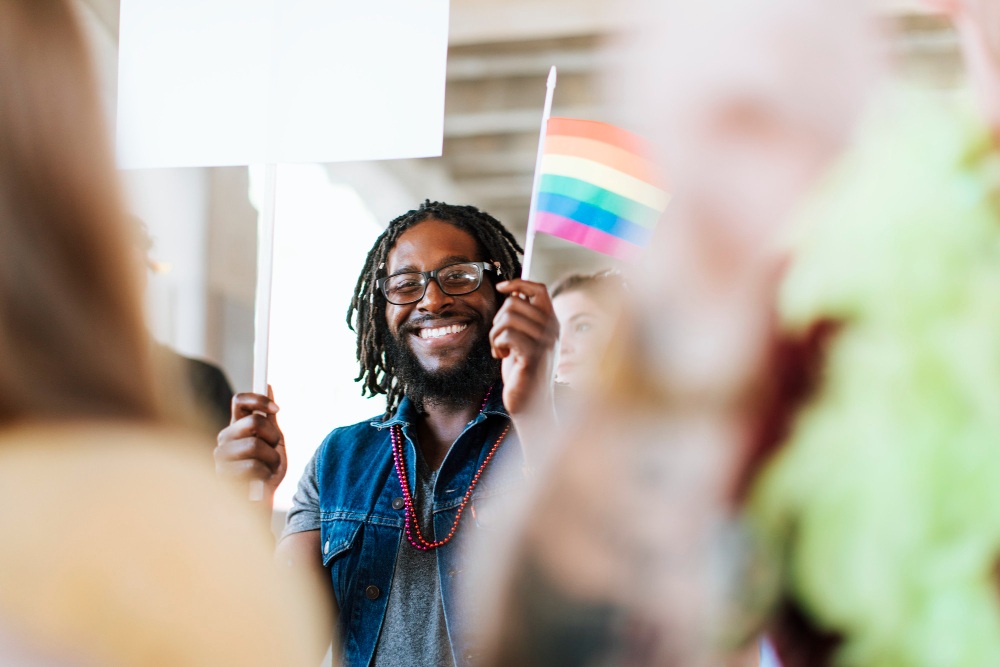
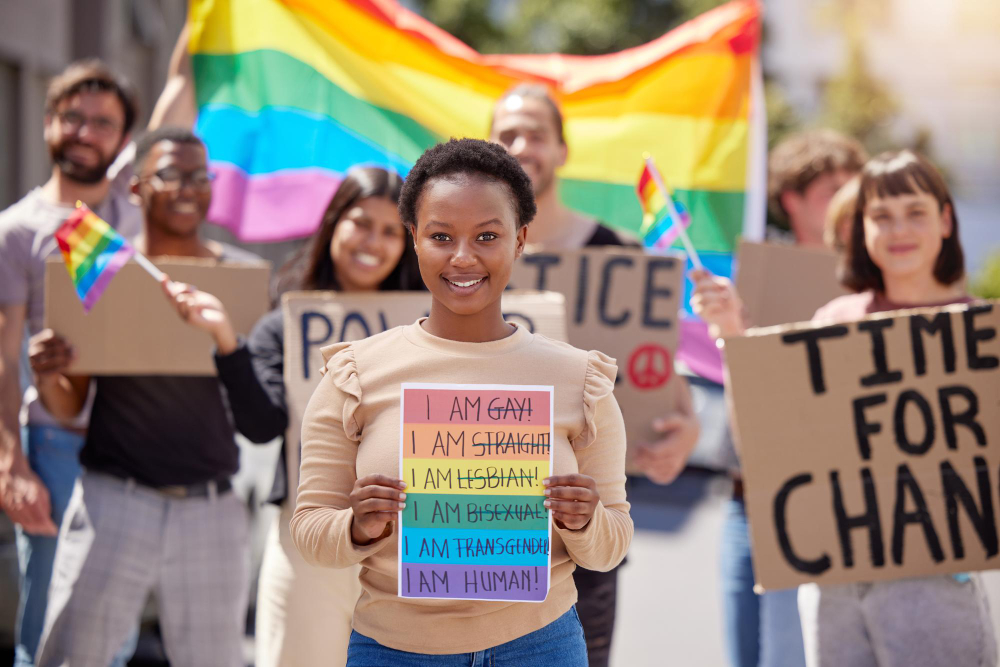
Pride movements in Africa have grown from small underground gatherings to powerful expressions of visibility, resistance and community. Despite social, legal and political challenges, queer Africans have steadily created spaces to celebrate identity and advocate for equality. Understanding this evolution highlights resilience, courage and the ongoing fight for human rights.
Early Pride Efforts Were Underground and Community Driven
Before public pride events existed, queer Africans gathered quietly in homes, community circles and private safe spaces. These early efforts created the foundation for larger movements.
Early pride expressions included:
- Informal meetups
- Secret support groups
- Private celebrations of identity
These gatherings strengthened solidarity in environments where safety was limited.
South Africa The First Public Pride on the Continent
South Africa hosted Africa’s first official Pride March in 1990. This historic moment marked the beginning of public LGBTQ visibility on the continent.
South Africa’s pride movement helped inspire:
- Advocacy for legal reforms
- Support networks for queer youth
- Growth of regional pride events
Today, South Africa remains a central hub for LGBTQ organizing.
The Growth of Pride in East Africa
Despite heavy restrictions, East African activists continue to carve out pride spaces.
Examples include:
- Kenya’s small but powerful pride gatherings
- Uganda’s Pride movement, which persists despite legal challenges
- Rising visibility of queer regional art and storytelling
These movements highlight courage in the face of intense opposition.
West Africa’s Digital Pride Movements
Because many West African countries have strict anti LGBTQ laws, pride often takes place online.
Digital pride has become a powerful tool for:
- Sharing stories anonymously
- Creating virtual safe spaces
- Connecting LGBTQ individuals across borders
Online platforms amplify community voices while reducing risk.
You can find similar digital resources through our Resource Center.
North Africa’s Artistic and Underground Pride Expressions
In North Africa, pride is often expressed through art, music, activism and coded cultural messages.
Common pride expressions include:
- Poetry highlighting queer identity
- Art exhibitions with symbolic themes
- Underground organizing in small groups
These quiet forms of resistance continue to strengthen local communities.
Diaspora Pride Movements Strengthen the Continent
Many African queer diasporas play an important role in supporting continental pride efforts.
Diaspora contributions include:
- Funding grassroots organizations
- Hosting African centered pride events abroad
- Creating global networks of support
These global connections empower LGBTQ voices on the continent.
How Pride Movements Improve Community Wellbeing
Pride celebrations are more than parades—they create visibility, safety and healing for queer Africans.
Pride strengthens wellbeing by:
- Reducing isolation
- Encouraging self acceptance
- Promoting mental health awareness
- Supporting community education
You can connect with supportive spaces on our Community Page.
Challenges Pride Movements Still Face
Despite progress, pride movements in Africa continue to encounter obstacles.
Common challenges include:
- Legal restrictions
- Religious and cultural stigma
- Safety concerns
These challenges highlight the need for ongoing advocacy and community support.
The Future of Pride in Africa
The future of pride in Africa is shaped by growing youth advocacy, digital organizing and increasing global solidarity.
The next generation is driving:
- Stronger community networks
- Creative forms of activism
- Bolder expressions of identity
Pride in Africa continues to evolve with resilience and hope.
Frequently Asked Questions
When was the first Pride in Africa?
South Africa held the first public Pride March in 1990.
Are pride events legal in many African countries?
Laws vary widely, but many pride events take place digitally or privately where public gatherings are restricted.
Why is pride important in Africa?
It promotes visibility, safety, community empowerment and human rights.
How do African diasporas support pride movements?
By funding initiatives, hosting supportive events and amplifying local voices.
Where can I learn more about LGBTQ activism in Africa?
Visit our Resource Center for tools, guides and educational content.
Final Call to Action
The evolution of pride movements across Africa shows the strength, creativity and unity of queer communities. To explore more advocacy tools, mental health resources and community spaces, visit our Resource Center or connect through our Community Page.