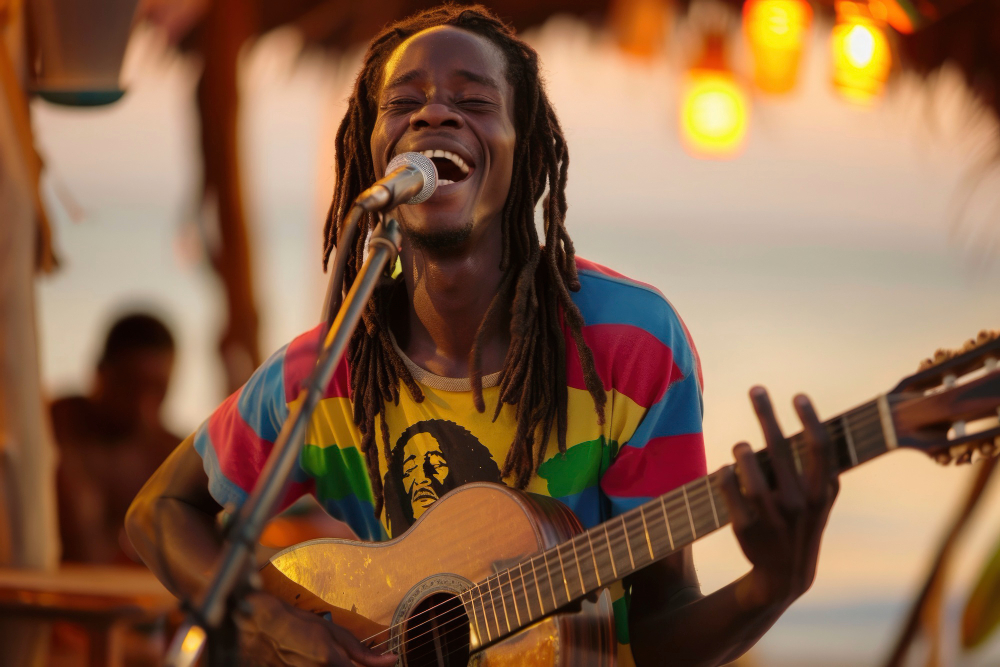
Music and LGBTQ culture in Africa are deeply connected. Across the continent, queer Africans have long used music as a tool for storytelling, resistance, healing and identity expression. From traditional rhythms to modern genres, music has created safe spaces where queer people can exist authentically even in environments that may not fully accept them.
Music as a Tool for Queer Expression
Music gives queer Africans the freedom to express identity, emotions and experiences in creative ways. Through lyrics, movement and rhythm, artists share feelings that may be difficult to voice openly.
Music supports expression by:
- Creating emotional release
- Challenging restrictive norms
- Celebrating fluidity and individuality
You can explore more cultural and educational resources through our Resource Center.
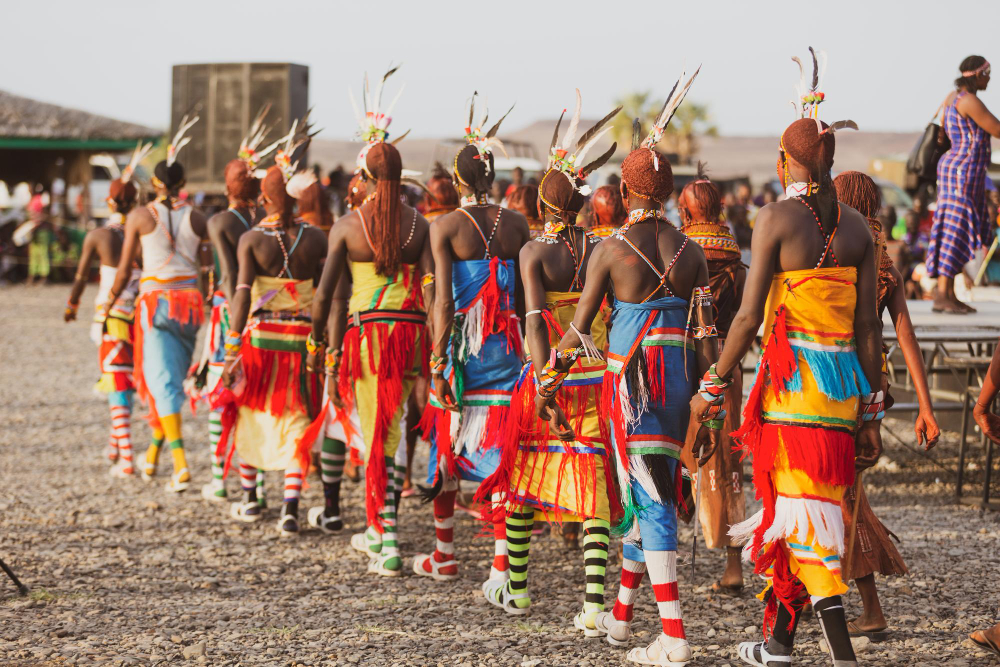
Traditional African Music and Gender Fluid Performance
Before colonial influence, many African societies used music and dance to express gender fluidity and diverse identities.
Traditional performances included:
- Ritual dances where performers shifted between masculine and feminine roles
- Songs celebrating dual gendered spirits
- Drumming ceremonies led by gender nonconforming individuals
These practices show that queerness has historical roots in African creativity.
Modern African Music Amplifies Queer Voices
Contemporary African musicians are increasingly giving visibility to queer stories. Some artists openly identify as LGBTQ, while others use symbolic language to highlight queer experiences.
Modern queer music often explores:
- Love and identity
- Mental health and resilience
- Social challenges and empowerment
This visibility strengthens representation across the continent.
Underground Music Scenes Create Safe Spaces
In many regions where LGBTQ rights are restricted, underground music communities offer refuge for queer expression.
Underground spaces provide:
- Safe environments for queer creativity
- Community bonding through dance and performances
- Artistic freedom away from public scrutiny
These spaces play a vital role in strengthening local queer communities.
How Music Supports Mental Health and Belonging
Music is a powerful emotional tool for queer Africans navigating stigma or difficult environments.
Music supports mental wellbeing by:
- Reducing stress
- Creating feelings of belonging
- Inspiring confidence and self acceptance
- Helping individuals process emotions
Our Support Page offers additional mental wellness resources for the community.
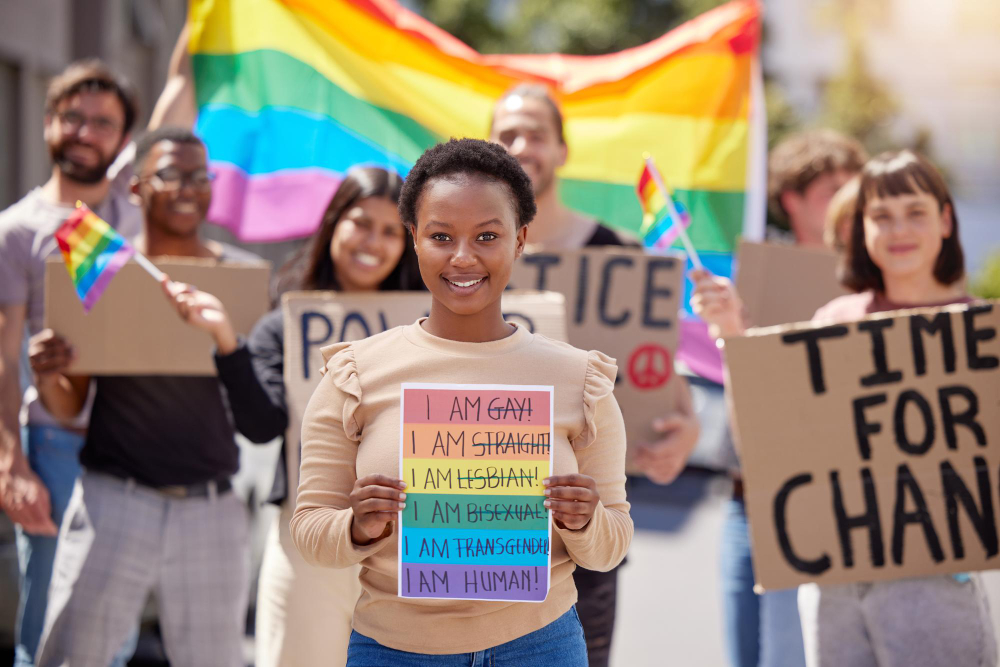
Music as a Form of Activism
African musicians and queer activists often use music to challenge discrimination and spark conversations about LGBTQ rights.
Music activism highlights:
- Human rights awareness
- Community resilience
- Stories of courage and survival
Songs become catalysts for social change.
Dance Culture and Queer Celebration
Dance is one of the most accessible and expressive art forms within LGBTQ communities. In African queer culture, dance fosters joy, unity and liberation.
Dance culture strengthens community by:
- Encouraging self expression
- Bringing people together in celebration
- Creating safe social spaces
You can connect with inclusive community spaces through our Community Page.
Digital Platforms Boost Queer Musical Visibility
Online spaces have transformed the way queer Africans share and access music.
Digital platforms support:
- Anonymous listening and sharing
- Global visibility for queer artists
- Community building across borders
Music travels faster and reaches more people than ever before.
Frequently Asked Questions
How does music influence LGBTQ culture in Africa?
It provides expression, empowers identity and strengthens community.
Are queer African musicians becoming more visible?
Yes. Digital platforms and youth activism are helping more artists be seen and heard.
Did traditional African music include queer themes?
Yes. Many pre colonial performances embraced gender fluidity and diverse identities.
Can music help improve mental health for queer Africans?
Absolutely. Music reduces stress and fosters emotional connection.
Where can I find resources on queer African culture?
You can explore guides and educational tools through our Resource Center.
Final Call to Action
Music has played a transformative role in shaping LGBTQ culture in Africa, offering expression, empowerment and community connection. To learn more about queer culture, explore identity resources or find supportive spaces, visit our Resource Center or connect through our Community Page.