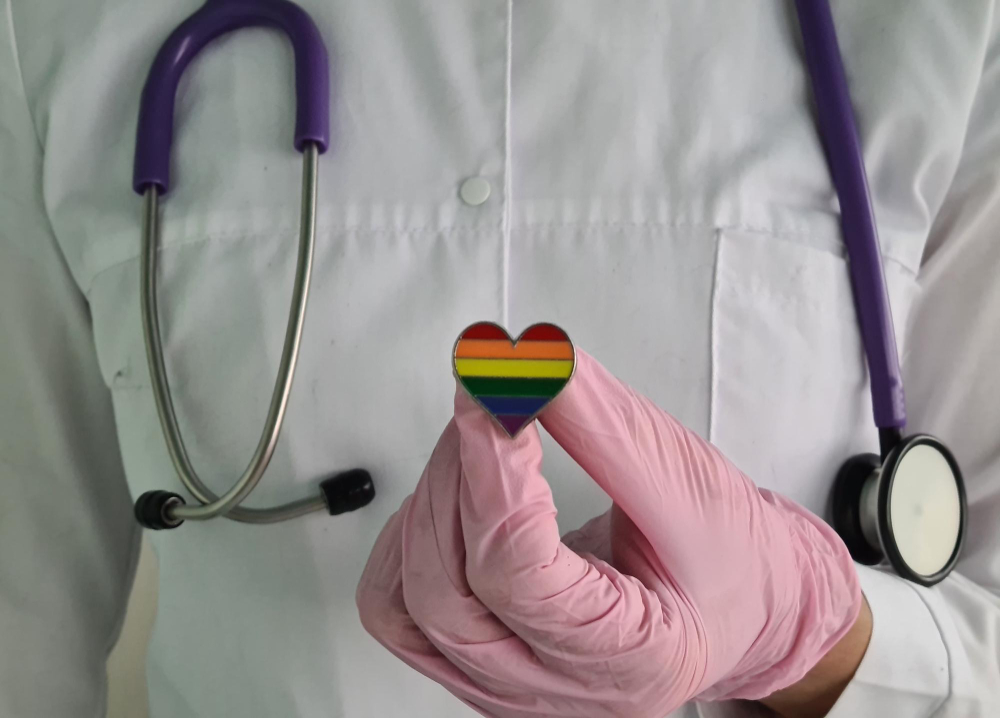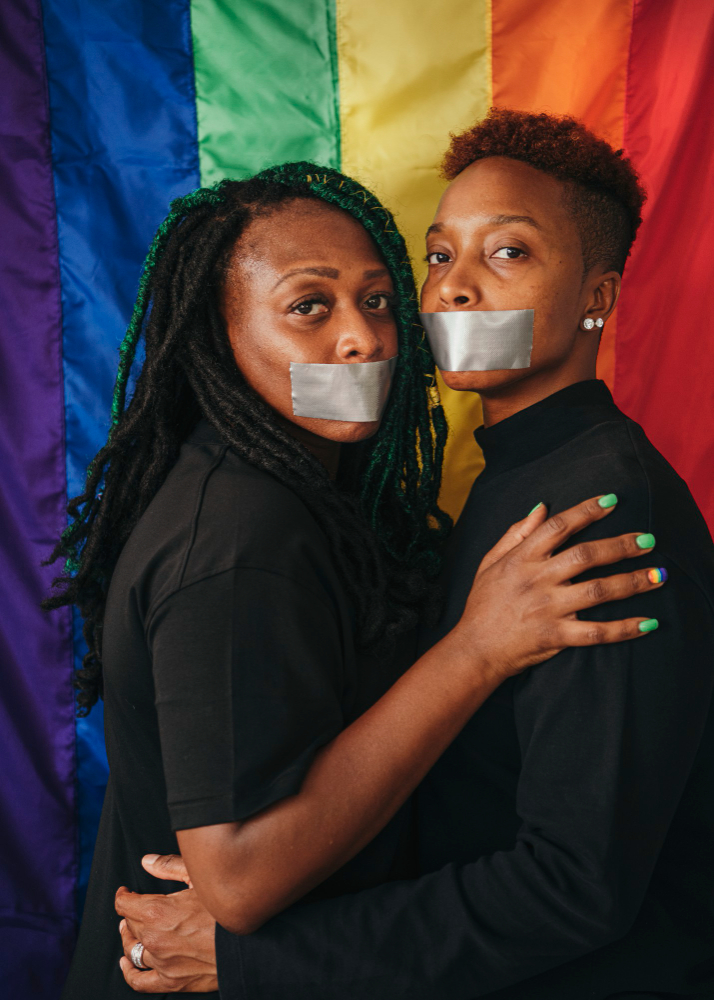
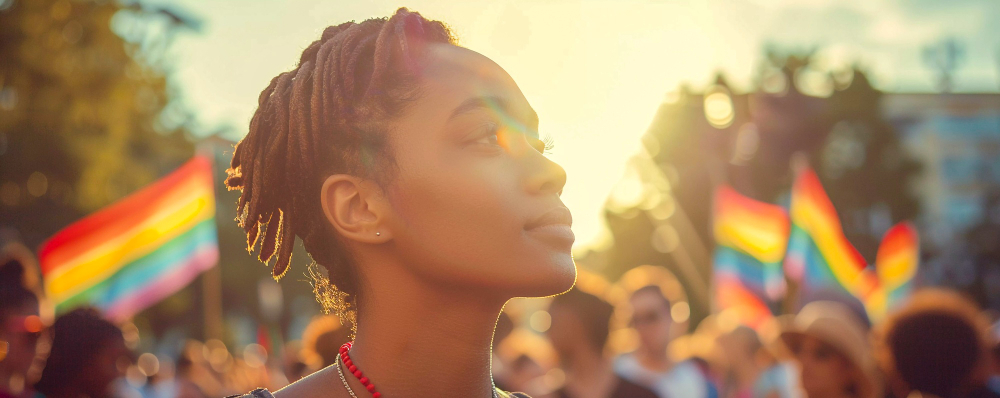
Understanding mental health tips for queer youth in Africa is essential in a region where stigma, discrimination and limited safe spaces can deeply affect wellbeing. Many queer young people face emotional challenges related to identity, safety concerns and societal pressure. Having the right tools and support systems can significantly strengthen resilience and promote healing.
Create Safe Emotional Spaces
Safe emotional spaces help queer youth navigate stress and uncertainty. These can be physical spaces, trusted friendships or online communities that encourage acceptance and understanding.
Safe emotional spaces allow youth to:
- Express themselves freely
- Share personal struggles
- Seek advice without judgment
- Build supportive relationships
If you’re seeking a place to connect with others, you can explore our Community Page for safe and supportive networks.
Build a Supportive Circle of Trust
Having a small group of trusted individuals can make a strong difference in emotional wellbeing. These supporters may be close friends, affirming relatives, mentors or members of the queer community.
A supportive circle can:
- Offer comfort during difficult times
- Provide guidance and encouragement
- Help with decision making
- Reduce feelings of isolation
Learn Healthy Coping Strategies
Coping strategies are essential for managing stress, anxiety or emotional overload. Queer youth often face unique challenges, so having personalized strategies can help maintain stability.
Healthy coping may include:
- Journaling emotions
- Practicing deep breathing
- Mindful meditation
- Listening to music
- Creative activities such as art or writing
Resources on emotional coping and self care are available through our Resource Center which includes educational materials for wellness.
Prioritize Digital Safety and Mental Peace
Online platforms provide opportunities for connection but may also expose queer youth to harassment or harmful content. Protecting digital wellbeing helps safeguard emotional health.
Digital safety involves:
- Using strong privacy settings
- Avoiding hostile online spaces
- Engaging in supportive communities
- Taking breaks from triggering content
Our Support Page provides tools that guide safe online navigation and emotional support.
Recognize Signs of Emotional Distress
Understanding when mental health is being affected is important for early support. Emotional distress can appear in different ways depending on personal experiences.
Common signs include:
- Sudden sadness or withdrawal
- Feeling overwhelmed
- Loss of interest in activities
- Difficulty sleeping
- Persistent fear or anxiety
Recognizing these signs helps youth seek help before challenges intensify.
Seek Affirming Mental Health Support
Accessing mental health care can be challenging in regions where queer identity is stigmatized. However some counselors, organizations and peer groups provide safe and affirming support.
Affirming support offers:
- Nonjudgmental listening
- Identity respecting counselling
- Confidential guidance
- Trauma informed care
You can begin exploring mental health resources through our Support Page.
Limit Exposure to Harmful Environments
Queer youth may sometimes face environments where discrimination or hostility affects emotional wellbeing. Reducing exposure to these spaces can prevent emotional burnout.
Limiting exposure may include:
- Avoiding triggering conversations
- Setting boundaries with harmful individuals
- Reducing time in unsafe physical spaces
- Seeking alternative supportive environments
Practice Self Acceptance and Identity Pride
Self acceptance is a powerful contributor to mental wellbeing. Queer youth who embrace their identity often feel more confident and empowered.
Self acceptance strengthens:
- Emotional resilience
- Sense of belonging
- Personal confidence
- Healthy self expression
Empowering stories and identity resources can be found in our Resource Center.
Stay Connected to Trusted Communities
Being in supportive communities helps queer youth feel grounded and heard. Community spaces offer connection guidance and shared experiences that validate identity.
Community support can:
- Ease loneliness
- Strengthen resilience
- Provide role models
- Encourage personal growth
Our Community Page offers opportunities to connect with others safely.
Frequently Asked Questions
Why do queer youth in Africa need specialized mental health tips?
They often face stigma, discrimination and limited safe spaces which can significantly impact their emotional wellbeing.
How can queer youth find safe mental health support?
They can seek peer groups, online communities and queer inclusive mental health resources available through safe platforms.
What coping methods work best for stress and anxiety?
Journaling, meditation, breathing exercises and creativity are effective for many queer youth.
What should I do if I feel overwhelmed emotionally?
Reach out to trusted friends, supportive communities or explore guidance through platforms like our Support Page.
How can communities help queer youth feel supported?
By challenging stigma, promoting acceptance and creating safe spaces where young people can express themselves freely.
Final Call to Action
Mental health tips for queer youth in Africa empower young individuals to nurture resilience, self acceptance and emotional safety. To explore supportive resources mental wellness information and community connections visit our Resource Center or engage through our Community Page. You are not alone and your wellbeing matters.