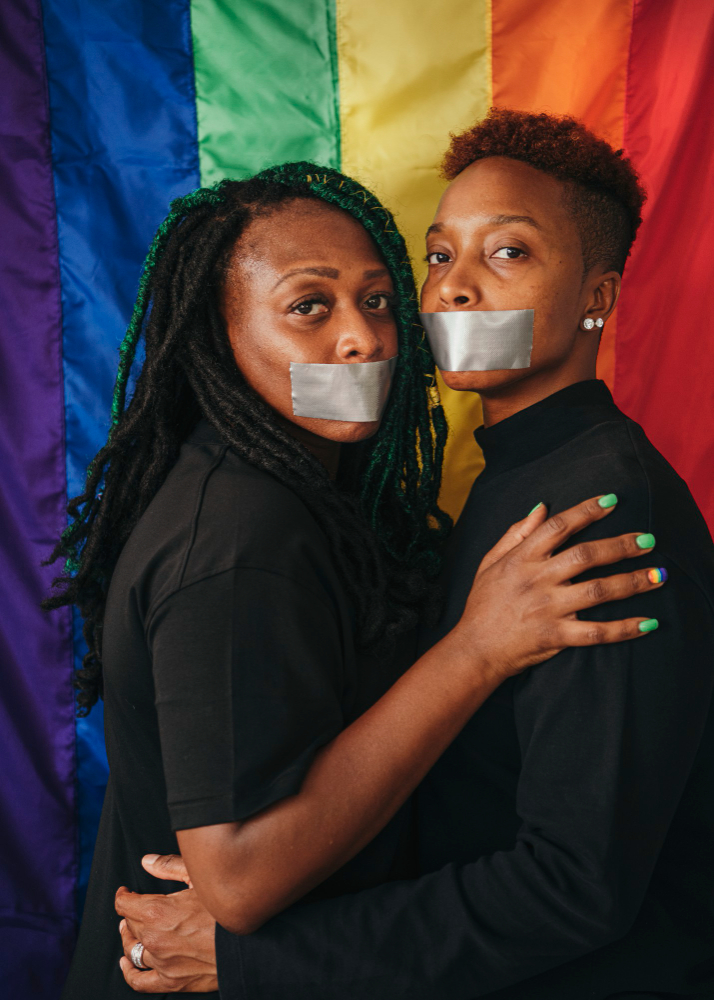
Is being gay illegal in Africa is a question asked often due to the continent’s diverse laws and cultural landscapes. While some African countries criminalize same sex relationships, others offer partial or full protection. This blog provides a clear overview of legal realities, lived experiences and available support for queer Africans.
Understanding the Legal Landscape Across Africa
Africa is not uniform when it comes to LGBTQ+ laws. Every country has its own legal framework.
The continent can be grouped into three general categories:
- Countries where same sex relationships are illegal
- Countries that do not criminalize being gay but lack protection
- Countries with legal recognition or protection
This diversity shows that the African LGBTQ+ experience is not the same everywhere.
Countries Where Same Sex Relationships Are Criminalized
Several African countries still enforce colonial era or morality based laws.
Criminalization may include:
- Prison sentences
- Heavy fines
- Public harassment
The severity varies from country to country, and in some places, laws are rarely enforced despite being on the books.
Countries Where Being Gay Is Not Illegal but Not Protected
Some African nations do not criminalize queerness but also do not provide legal safeguards.
In these countries:
- There are no clear anti discrimination laws
- Healthcare may not be LGBTQ friendly
- Social stigma still impacts daily life
This creates a grey area where queer individuals are not legally targeted but still unsafe.
Countries Offering Protections or Legal Recognition
A small but growing number of African countries offer more progressive laws.
These protections may include:
- Same sex relationship recognition
- Anti discrimination policies
- Improved access to healthcare
These legal steps show slow but meaningful progress.
Social Stigma Versus Legal Reality
Even in countries where being queer is not illegal, social stigma can still create danger.
Stigma may lead to:
- Violence
- Harassment
- Forced secrecy
- Rejection from family or community
This makes lived experiences different from legal realities.
How Laws Affect Daily Life
Legal environments profoundly shape how queer Africans navigate identity.
Laws impact:
- Safety and mobility
- Dating and relationships
- Access to healthcare
- Mental health and wellbeing
Our Support Page provides mental health guidance relevant to these challenges.
The Role of Activism and Advocacy
Activists across Africa continue to push for legal reforms and societal change.
Their work includes:
- Challenging outdated laws
- Providing safe spaces
- Offering legal and psychological support
You can explore similar supportive networks through our Community Page.
Staying Safe While Navigating Identity
Safety is a top concern for many queer Africans.
Staying safe may include:
- Using anonymous online platforms
- Being selective about who you trust
- Learning your local laws
- Accessing digital mental health tools
Our Resource Center provides helpful guides for staying informed.
Frequently Asked Questions
Is being gay illegal everywhere in Africa?
No. Laws vary widely across the continent.
Can someone be arrested for being gay?
In some countries, yes. Others do not criminalize sexual orientation.
Are things improving for LGBTQ+ rights in Africa?
Slowly. Activism and advocacy are helping create change.
Does legality guarantee safety?
Not always. Social stigma can still create risks.
Where can queer Africans find support?
Visit our Resource Center and Community Page for guidance.
Final Call to Action
The question is being gay illegal in Africa highlights the complex mix of laws, stigma and resilience across the continent. If you need support, identity resources or a safe digital space, explore our Resource Center or connect through our Community Page.