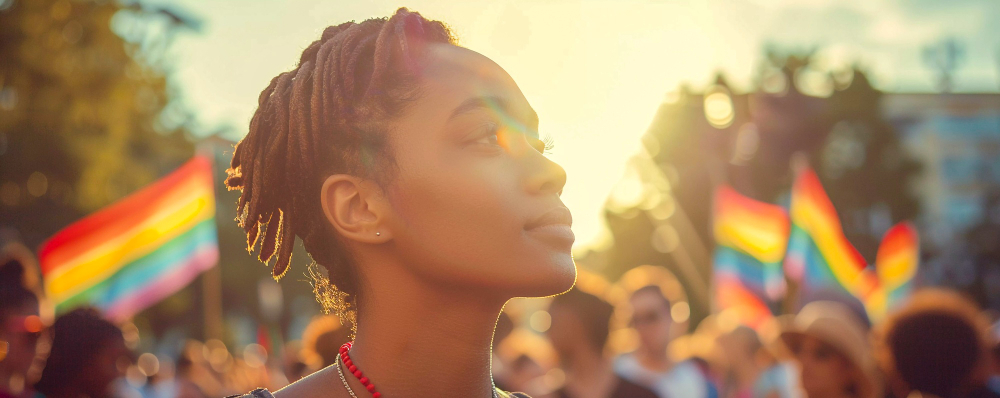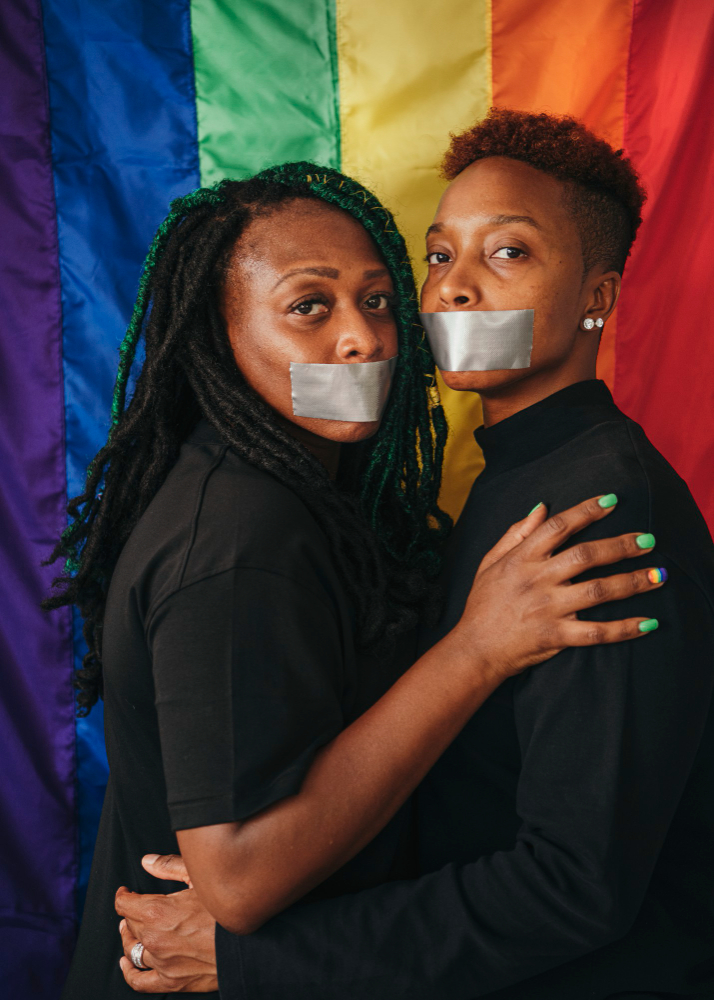

The impact of stigma on queer mental health is profound across many African regions where discrimination and misunderstanding continue to shape daily experiences. Stigma creates emotional, social and psychological challenges that can affect self esteem, safety and overall wellbeing. Understanding these effects helps communities build empathy and develop supportive environments for queer individuals.
How Stigma Shapes Daily Life for Queer Africans
Stigma can appear in subtle and direct ways. It influences how queer people express themselves, interact socially and move through public spaces.
Stigma often shows up through:
- Hurtful language or stereotypes
- Social exclusion
- Threats or harassment
- Lack of family acceptance
These experiences contribute to long term emotional strain.
The Psychological Effects of Stigma
Continuous exposure to discrimination can lead to deep emotional wounds. Many queer Africans face internal battles shaped by fear, rejection or shame.
Psychological effects may include:
- Anxiety and panic
- Low self esteem
- Chronic stress
- Depression or emotional withdrawal
Educational tools to understand mental health challenges can be found in our Resource Center.
Stigma and the Fear of Being Outed
Fear of being outed is one of the most overwhelming pressures queer individuals experience. Outing can lead to safety threats, job loss, family breakdown or social isolation.
This fear affects mental wellbeing by causing:
- Constant vigilance
- Overthinking and distress
- Difficulty forming relationships
- Emotional exhaustion
Understanding these challenges helps build compassion and safer environments.
Family Rejection and Its Emotional Impact
Family rejection deeply affects queer mental health. When young people lose emotional support at home, it leads to feelings of abandonment and vulnerability.
Rejection may result in:
- Loneliness
- Increased risk of mental health struggles
- Difficulty trusting others
- Loss of identity or belonging
Support networks available on our Community Page can help individuals rebuild connection.
Stigma Within Healthcare Settings
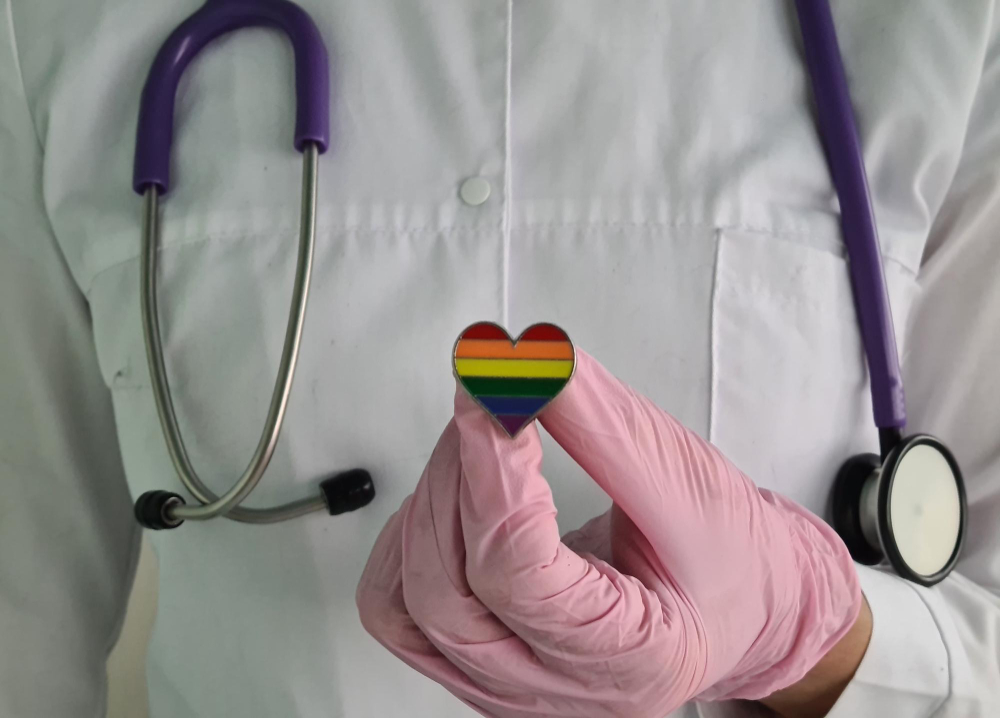
Many queer Africans hesitate to seek medical help due to fear of discrimination. This barrier prevents individuals from receiving essential mental and physical healthcare.
Healthcare stigma may involve:
- Judgmental attitudes
- Misgendering or invalidation
- Breach of confidentiality
- Denial of services
Our Support Page offers resources for navigating safer healthcare options.
Internalized Stigma and Self Doubt
Internalized stigma occurs when queer people begin to believe negative societal messages about their identity. This creates internal conflict and emotional pain.
Internalized stigma contributes to:
- Self criticism
- Shame and guilt
- Difficulty accepting identity
- Reduced self confidence
Healing from internalized stigma requires education, support and self compassion.
Community Support as a Protective Factor
Strong, supportive communities help shield queer individuals from the harms of stigma. Positive connections reduce loneliness and reinforce emotional resilience.
Community support helps:
- Build shared understanding
- Strengthen mental wellbeing
- Provide safe spaces
- Encourage empowerment
You can find community connection opportunities on our Community Page.
Affirming Mental Health Resources Matter
Access to mental health resources designed with queer experiences in mind can transform emotional wellbeing. Inclusive support ensures individuals feel seen and understood.
Affirming mental health resources include:
- Queer inclusive counselors
- Peer support groups
- Trauma informed care
- Educational materials
You can explore mental health guidance through our Support Page.
Frequently Asked Questions
How does stigma affect queer mental health?
It leads to anxiety, stress, fear, low self esteem and emotional isolation.
Why do queer Africans experience high levels of stigma?
Cultural misconceptions, legal restrictions and lack of inclusive education contribute to widespread stigma.
How can queer individuals cope with stigma?
Building support networks, practicing self acceptance and accessing mental health resources can help.
What role does community play in mental health?
Communities offer emotional safety, solidarity and understanding which strengthen resilience.
Where can I find mental health support?
Our Support Page provides guidance on safe, affirming mental health resources.
Final Call to Action
Understanding the impact of stigma on queer mental health is the first step toward building a more compassionate and inclusive society. To access mental health tools, educational resources and supportive networks, explore our Resource Center or connect through our Community Page. You deserve safety, dignity and emotional wellbeing.