
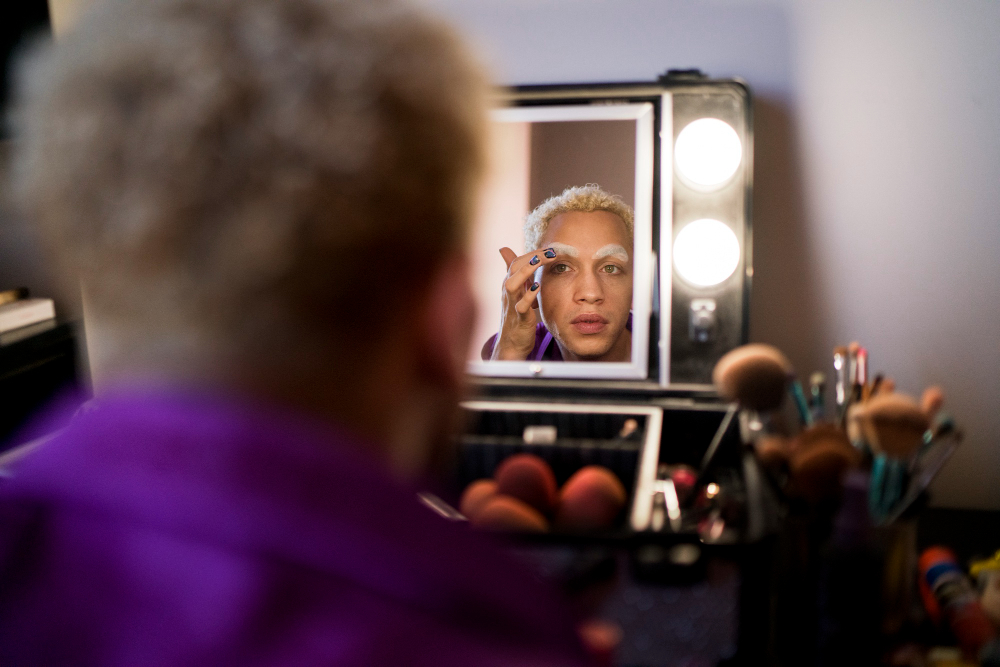
How to handle internalized homophobia is a challenge many queer Africans face quietly. Growing up in environments where LGBTQ identity is shamed, punished or erased can lead to self directed negativity. This emotional struggle is real, but it is possible to unlearn harmful beliefs and build a healthier, more loving relationship with yourself. This guide offers practical steps, reflections and supportive resources.
What Internalized Homophobia Really Means
Internalized homophobia happens when a queer person absorbs negative messages about LGBTQ identities and turns them inward.
It can show up as:
- Feeling ashamed of your identity
- Being scared to express yourself
- Believing harmful stereotypes
- Feeling unworthy of love or acceptance
These feelings come from society, not from who you truly are.
Recognizing the Signs in Yourself
Understanding your feelings is the first step.
Signs include:
- Avoiding LGBTQ topics due to discomfort
- Feeling guilty about your attraction
- Judging other queer people harshly
- Trying to change or suppress your identity
If you recognize these signs, know that you’re not alone.
Understanding Where These Feelings Come From
Internalized homophobia often grows from:
- Religious messages that condemn LGBTQ people
- Cultural expectations
- Fear based teachings
- Lack of queer representation
- Family pressure or shame
These external forces can shape your thoughts without you realizing.
Step One Challenge Negative Thoughts
When a negative thought appears, pause and question it.
Ask yourself:
- Where did this belief come from
- Is it truly mine or taught to me
- Does it help or harm me
Replacing harmful thoughts with affirming ones can slowly reshape your self perception.
Step Two Surround Yourself With Affirming Messages
Positive representation matters.
Try:
- Reading queer stories from our Resource Center
- Following LGBTQ affirming creators online
- Listening to podcasts that celebrate queer identity
Affirming voices can help you rewrite harmful internal narratives.
Step Three Connect With Safe Community Spaces
You do not have to heal alone.
Supportive communities help you:
- See that your identity is normal
- Hear stories similar to your own
- Build confidence through connection
Our Community Page offers safe, digital spaces for queer Africans.
Step Four Speak Kindly to Yourself
Self compassion is essential.
Practice:
- Affirmations that validate your identity
- Gentle self talk
- Celebrating small steps in healing
Healing internalized homophobia takes time and patience.
Step Five Seek Emotional and Mental Health Support
If possible, speaking to a mental health professional can help.
A supportive therapist can assist with:
- Understanding your feelings
- Healing religious or cultural trauma
- Building confidence in your identity
Our Support Page provides emotional guidance and tools for navigating difficult feelings.
Step Six Learn Your Identity Deeply
Understanding LGBTQ terminology and history reduces shame.
Learning helps you:
- See the beauty in queer identity
- Recognize diversity within the community
- Challenge stereotypes
Our Resource Center includes identity focused learning tools.
Step Seven Take Your Time
You do not need to overcome internalized homophobia overnight.
Healing is gradual and includes:
- Moments of clarity
- Moments of doubt
- Moments of growth
All of these are valid.
Frequently Asked Questions
Is internalized homophobia normal
Yes. Many queer people experience it because of societal pressure.
Can internalized homophobia go away
Yes. With time, support and self acceptance, it becomes much weaker.
Is it wrong to struggle with my identity
No. Struggling does not make you less queer.
Can community support help me heal
Absolutely. Community connection is one of the strongest healing tools.
Where can I find support
Visit our Community Page and Support Page for safe guidance and emotional tools.
Final Call to Action
Learning how to handle internalized homophobia is a journey toward self love and healing. Explore more identity tools, supportive stories and mental wellness resources through our Resource Center or connect through our Community Page.