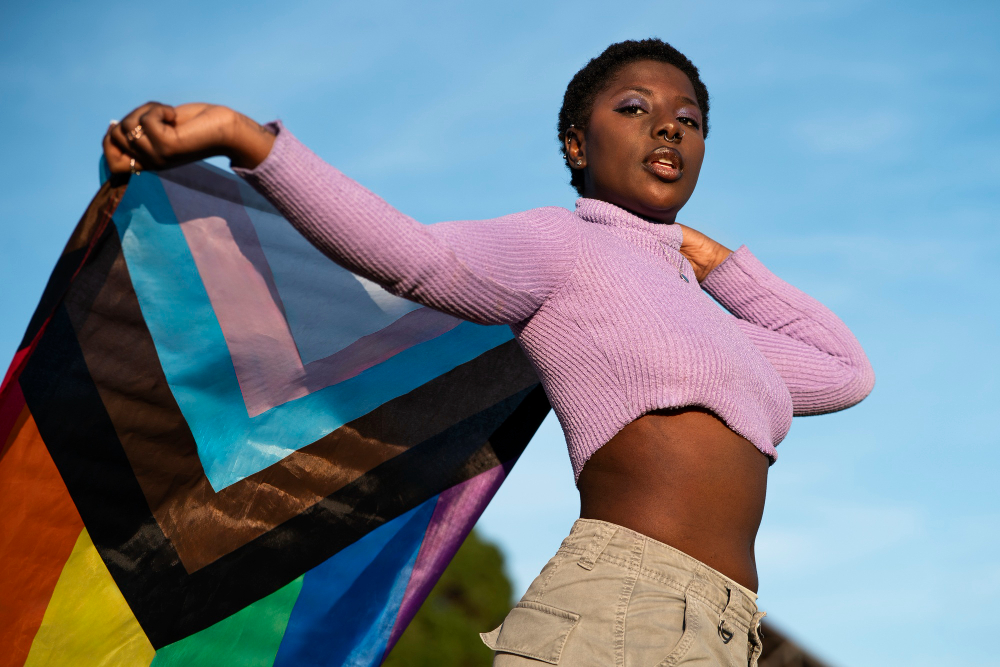
Coming out as an African queer person is a deeply personal, emotional and often complicated journey. For many of us across the continent, the process is shaped by cultural expectations, religious pressures and societal stigma. Sharing this story helps others feel less alone and shows that identity can be embraced even in challenging environments.
Understanding My Identity
My coming out journey began long before I ever spoke the words out loud. It started with quiet moments of self discovery, questions that followed me for years and the slow acceptance that my feelings were valid.
I learned that:
- Identity is not a mistake
- Queerness is not un African
- Self acceptance is powerful
I later found similar affirming resources through platforms like the Resource Center, which helped deepen my understanding.
The Fear of Being Different
Growing up in an environment where queerness was rarely discussed made my journey even more difficult. The fear of being judged or rejected kept me silent for a long time.
This fear came from:
- Cultural expectations
- Religious teachings
- Fear of losing family or friends
These pressures are common for many queer Africans.
Finding the First Person I Could Trust
The first person I came out to was someone I trusted deeply. I rehearsed the conversation many times, afraid of how they might react.
When I finally spoke my truth:
- I felt terrified
- My voice shook
- I expected rejection
But instead, I found compassion. That moment became a turning point in my journey.
The Mixed Reactions from Family and Community
Not everyone responded well. Some reacted with love, others with confusion or denial.
Common reactions included:
- Questions about whether it was “just a phase”
- Attempts to discourage or silence me
- Worry about safety and community gossip
These reactions taught me that coming out is not one moment, but a process.
Discovering Queer Community Support
Finding community changed everything. Whether online or in person, being around people who understood my struggles made me feel whole.
Community support offered:
- Safe conversations
- Identity affirmation
- Emotional guidance
You can explore spaces for connection through our Community Page.
Healing Through Self Acceptance
Over time, I learned that coming out is not just about telling others—it is about accepting myself fully.
Self acceptance involved:
- Letting go of shame
- Unlearning harmful narratives
- Embracing pride in my identity
This healing continues every day.
Learning to Set Boundaries
Not everyone deserves access to the most vulnerable parts of our lives. Setting boundaries helped protect my mental health.
Healthy boundaries include:
- Choosing who to confide in
- Protecting your safe spaces
- Allowing yourself time to grow
Boundaries are an act of self love.
How My Journey Shaped My Purpose
Coming out helped me realize the importance of advocacy, representation and safe spaces. It pushed me toward supporting others who feel isolated or afraid.
This journey inspired me to:
- Share my story
- Support community initiatives
- Help others find safety and belonging
You can explore support tools and mental health resources through our Resource Center.
Frequently Asked Questions
Is coming out necessary for everyone?
No. Your safety and wellbeing come first. Coming out is a personal choice.
How do I know when I’m ready to come out?
When you feel emotionally prepared and have a support system in place.
What if my family does not accept me?
You’re not alone. Community spaces can offer support, love and understanding.
Is it safe to come out in Africa?
Safety varies by region. Many queer Africans choose gradual, private or selective coming out.
Where can I find support?
You can access guidance and community through our Resource Center and Community Page.
Final Call to Action
My coming out journey as an African queer person taught me the importance of courage, community and self love. If you’re navigating your own path, know that you deserve acceptance and safety. To explore supportive resources, identity guides and community spaces, visit our Resource Center or connect with others through our Community Page.