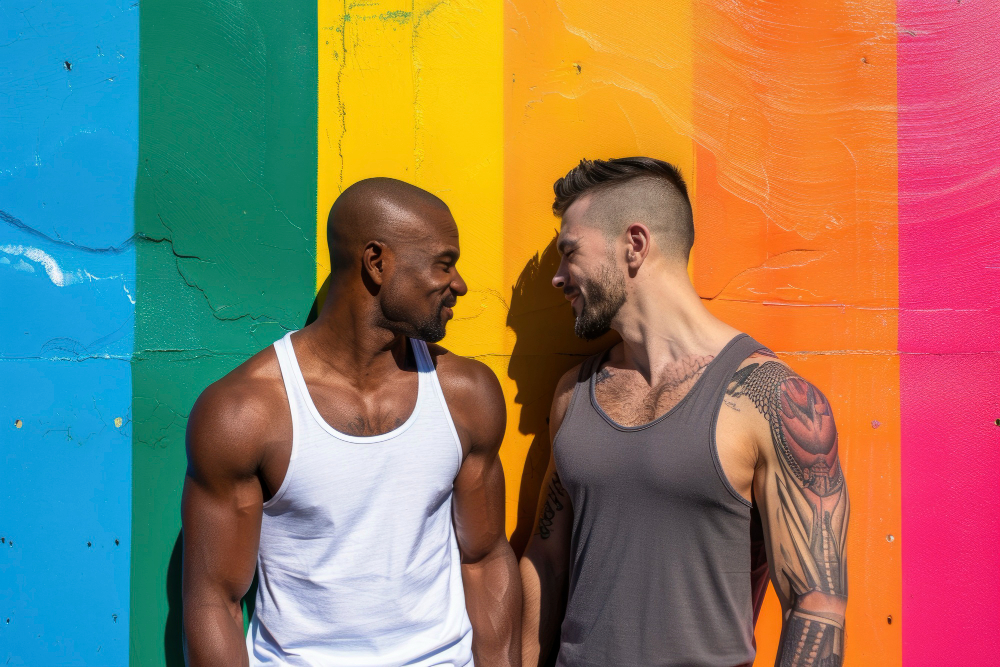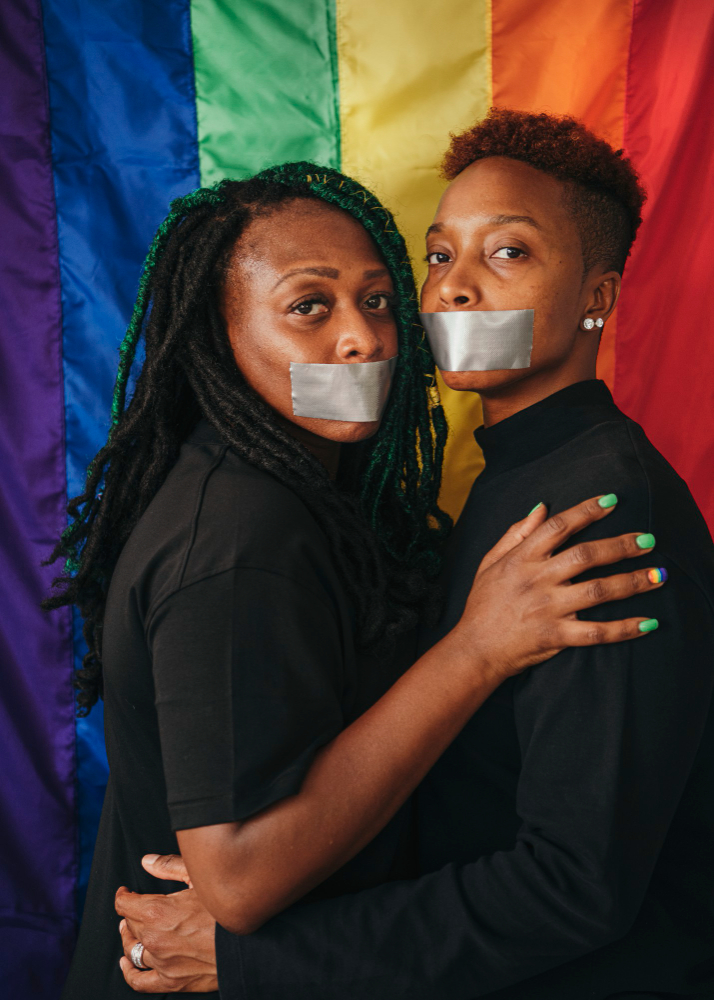
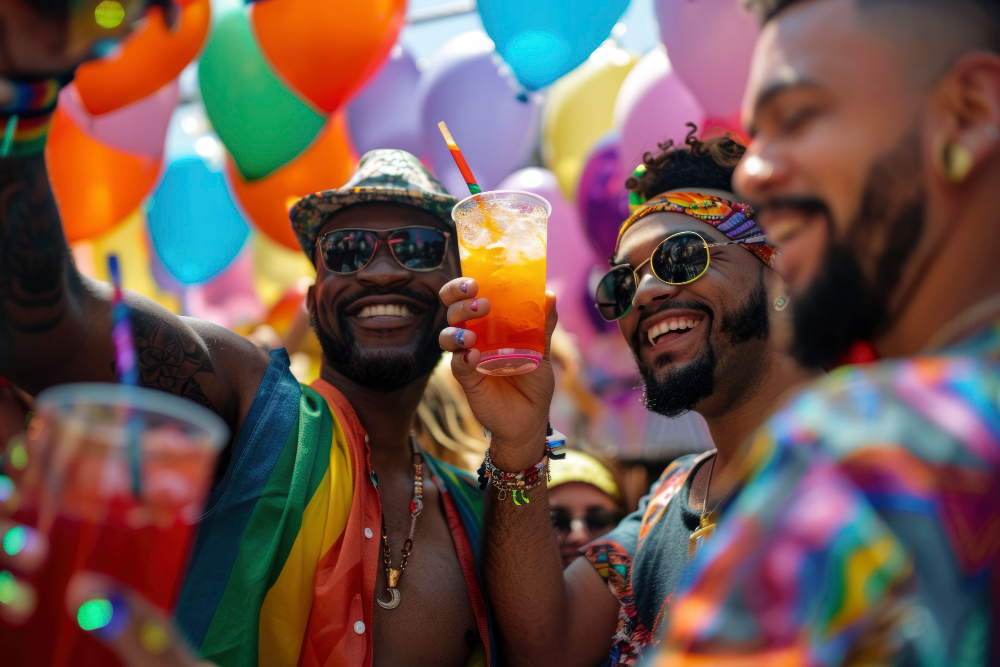
Are Pride events allowed in Africa is a question shaped by diverse legal, cultural and political environments across the continent. While some African countries allow limited Pride gatherings, most nations restrict or prohibit public LGBTQ+ events due to criminalization, social stigma and political resistance. This blog explores where Pride is possible, where it is restricted and how queer Africans continue to celebrate their identity.
Countries Where Pride Events Are Allowed
Only a few African countries permit Pride events, and even then, these events are often private or heavily monitored.
The countries where Pride celebrations have taken place include:
- South Africa home to Africa’s largest and longest running Pride
- Eswatini where small Pride marches have been held since 2018
- Botswana where limited LGBTQ gatherings sometimes occur
South Africa remains the only country where Pride events are protected under law.
South Africa The Heart of African Pride
South Africa is the only African nation with:
- Legal same sex marriage
- Anti discrimination protections
- Public Pride events in multiple cities
Events in Johannesburg, Cape Town and Durban attract thousands annually, celebrating visibility and community.
Countries With Limited or Underground Pride Events
Some African countries do not explicitly allow Pride but have underground or private gatherings.
These include:
- Kenya where small private Pride events occur
- Namibia where advocacy groups host quiet celebrations
- Uganda (historically) where Pride was once held but is now banned
These gatherings prioritise safety and discretion.
Countries Where Pride Is Prohibited
In many African nations, Pride events are banned or impossible to organize due to laws criminalizing LGBTQ identity.
Reasons for prohibition often include:
- Criminalization of same sex relationships
- Government refusal to approve public events
- Threats from religious or political groups
- Fear of violence
In these countries, public gatherings can lead to arrests or harassment.
Safety Challenges Faced During Pride Events
Even in places where Pride exists, safety is not guaranteed.
Challenges include:
- Police surveillance
- Harassment from the public
- Risk of doxxing or exposure
- Restrictions on venue permits
Our Support Page provides mental health tools for managing stress in these environments.
The Rise of Digital Pride in Africa
Due to safety barriers, many queer Africans celebrate Pride online.
Digital Pride offers:
- Anonymity
- Cross border participation
- Creative expression
- Community bonding
Platforms like our Community Page help create similar digital safe spaces.
Pride as Resistance and Visibility
For many Africans, Pride is more than a march; it is an act of resistance.
Pride symbolizes:
- Visibility in hostile environments
- Celebration of identity
- Strength in community
- Hope for legal and social progress
These events, even when private, play a critical role in empowerment.
How Queer Africans Celebrate Pride Privately
When public events are unsafe, queer Africans find alternative ways to celebrate.
Private celebrations may include:
- Small gatherings at safe locations
- Online events
- Art, poetry and storytelling
- Anonymous support circles
These celebrations preserve the spirit of Pride.
Frequently Asked Questions
Are Pride events legal in Africa?
Only in a few countries, primarily South Africa.
Can Pride events happen privately?
Yes. Private or underground Pride events occur in several countries.
Why are Pride events banned in many regions?
Due to criminalization, stigma and government restrictions.
Is digital Pride safe?
Yes, if secure platforms and anonymity are prioritized.
Where can I find LGBTQ community support?
Visit our Community Page or explore tools in our Resource Center.
Final Call to Action
Understanding whether Pride events are allowed in African countries helps queer individuals stay safe while celebrating identity. To explore supportive spaces, identity resources and mental health tools, visit our Resource Center or connect through our Community Page.