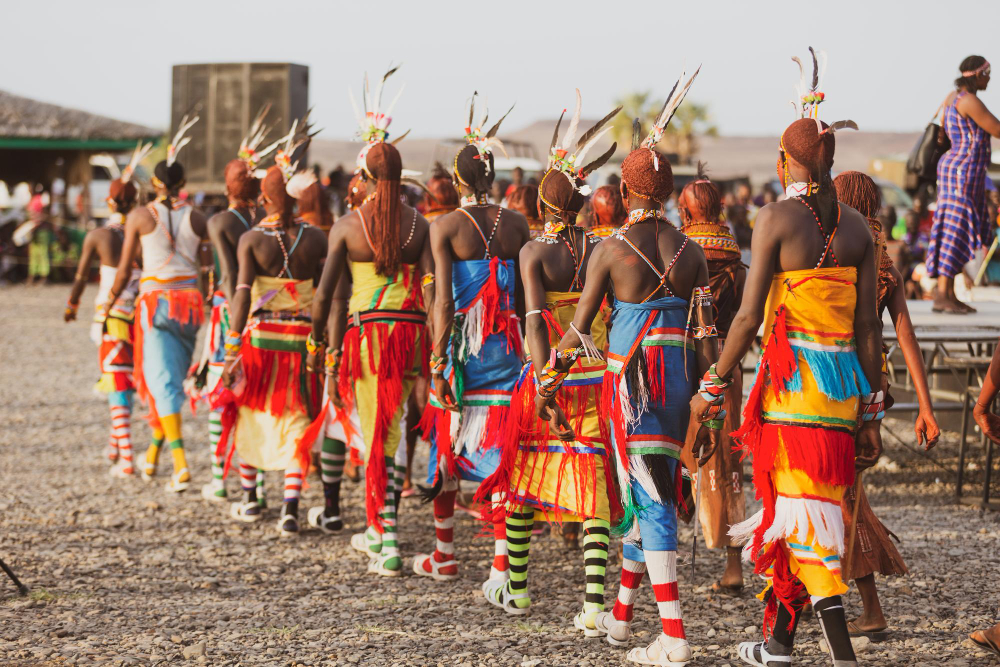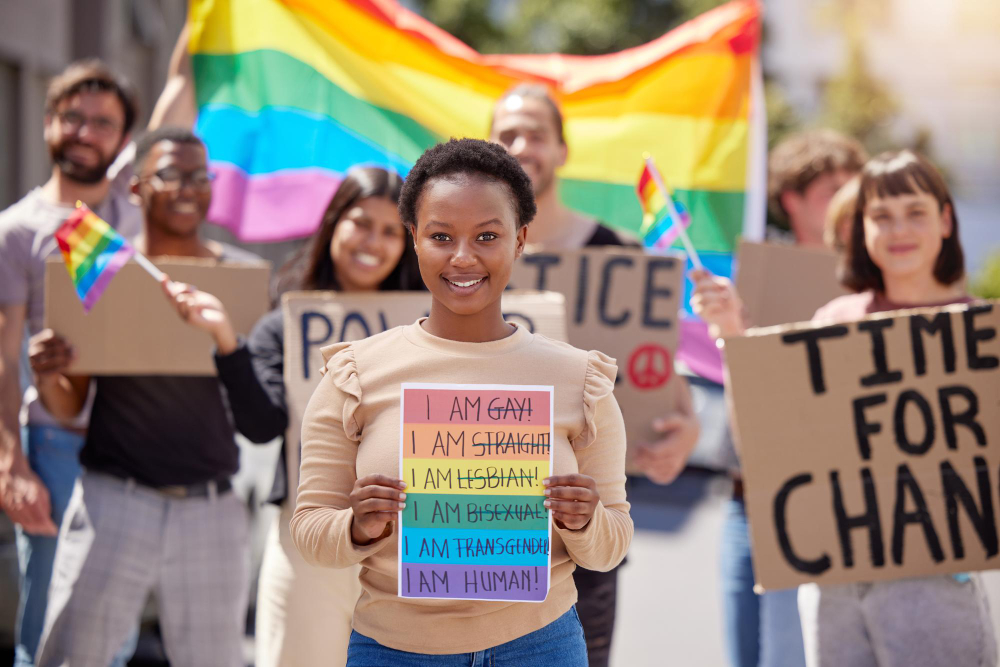

African queer literature offers powerful stories of identity, resilience and cultural expression. These books highlight the lived experiences of LGBTQ Africans, challenge colonial narratives and give voice to communities often silenced. Understanding African queer literature helps readers build empathy, reclaim historical truths and celebrate queer creativity.
Why African Queer Literature Matters
African queer literature expands visibility and strengthens community. These stories counter erasure by documenting diverse identities and experiences.
Queer literature is important because it:
- Preserves cultural memory
- Amplifies marginalized voices
- Encourages acceptance and understanding
- Builds representation for queer Africans
You can explore more historical and identity based resources through our Resource Center.
Kintu by Jennifer Nansubuga Makumbi
While not exclusively queer, Kintu contains subtle explorations of identity and sexuality within Ugandan culture. Its layered storytelling challenges traditional narratives and inspires reflection on generational experiences.
Key themes include:
- Family lineage
- Identity complexity
- Cultural transformation
This novel is widely regarded as a modern African classic.

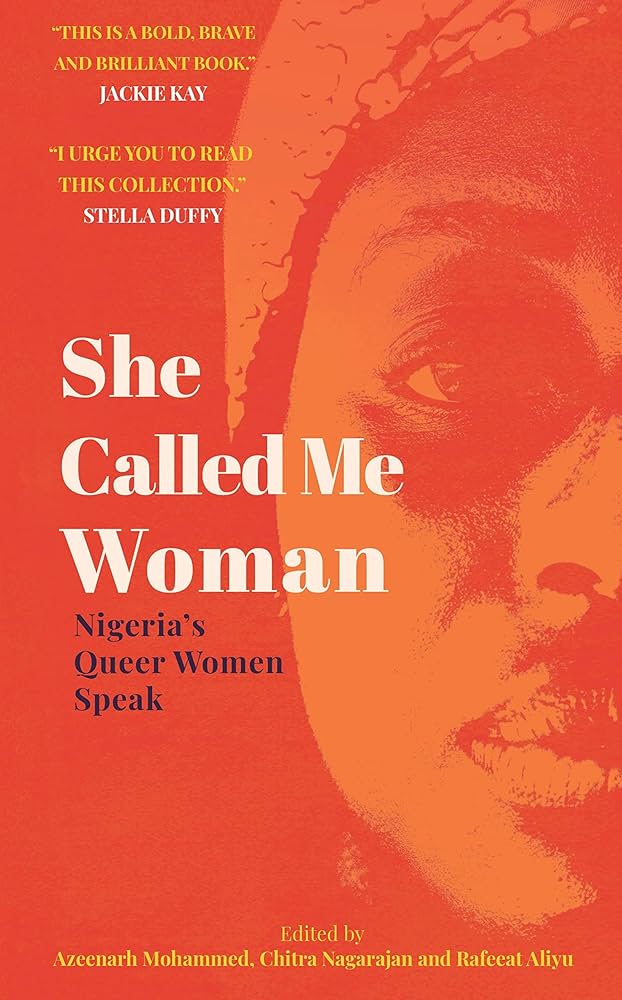
She Called Me Woman Nigerian Women Speak
This anthology provides deeply personal stories from queer Nigerian women. It is one of the most important contributions to African queer literature.
Readers experience:
- Real life narratives
- Diverse queer identities
- Powerful reflections on survival and love
The book offers honest and moving perspectives.
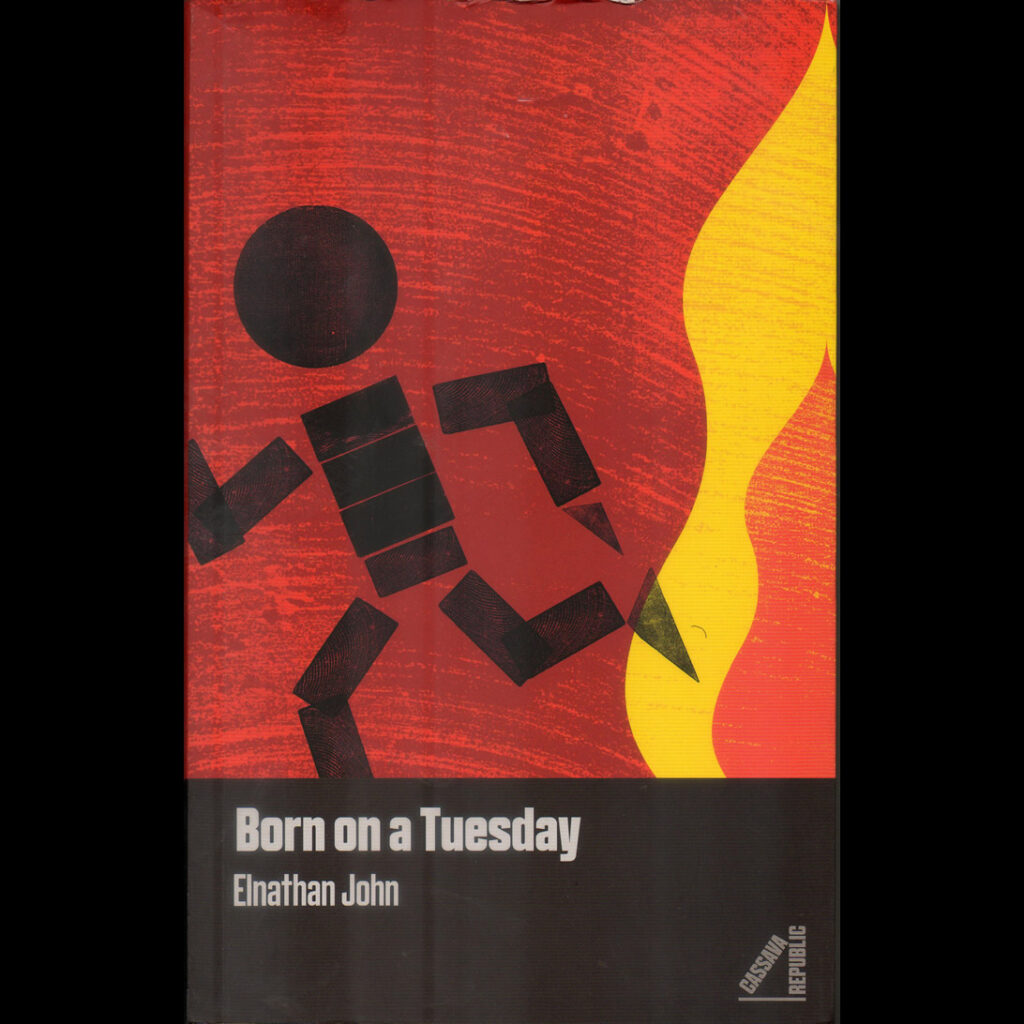
Born on a Tuesday by Elnathan John
This novel explores identity, religion and masculinity. Though queer themes are subtle, the story touches on emotional and social challenges faced by individuals navigating restrictive environments.
The book highlights:
- Personal transformation
- Social pressure
- The cost of conformity
It remains an important contemporary African work.
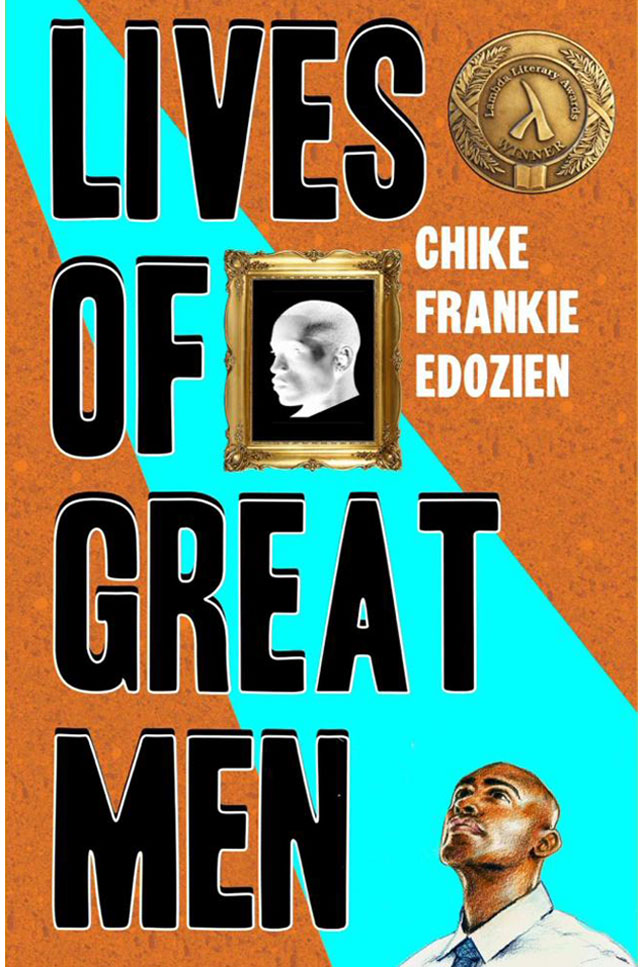
Lives of Great Men by Chike Frankie Edozien
This memoir is a groundbreaking piece of African queer nonfiction. Edozien shares intimate stories of love, culture and identity across Nigeria and the diaspora.
The memoir includes:
- Queer African experiences
- Reflections on family and culture
- Insights into global queer identities
It is both personal and deeply political.
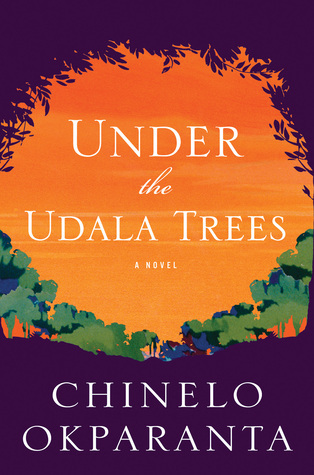
Under the Udala Trees by Chinelo Okparanta
One of the most celebrated queer African novels, this book follows a young Nigerian girl discovering her sexuality in a hostile environment.
Themes explored:
- First love
- Religious conflict
- Queer survival
The novel remains a cornerstone in African LGBTQ literature.
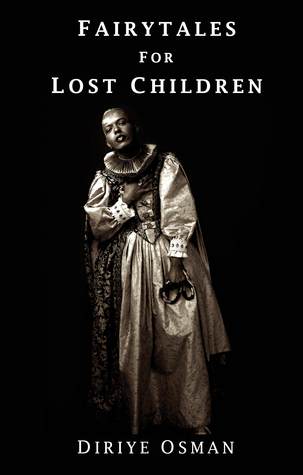
Fairytales for Lost Children by Diriye Osman
This collection of short stories centers Somali queer characters and explores themes of mental health, identity and cultural belonging.
Readers encounter:
- Beautiful prose
- Emotional depth
- Vibrant queer characters
The stories are raw, artistic and unforgettable.
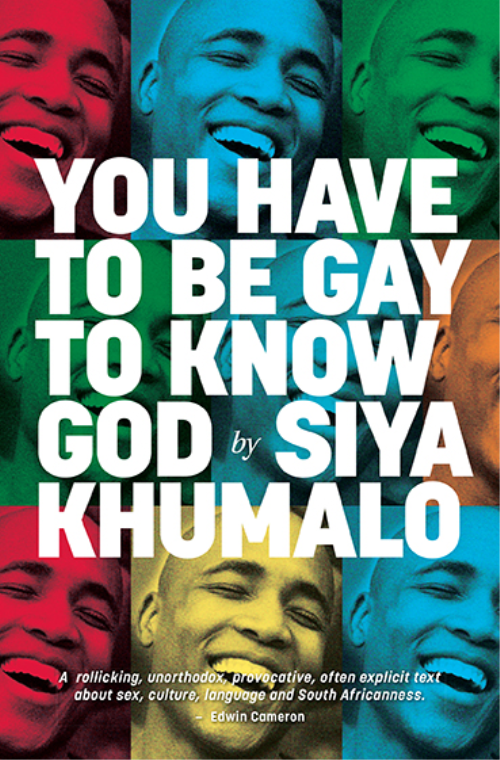
You Have to Be Gay to Know God by Siya Khumalo
This memoir blends activism, religion, politics and personal experience. Khumalo confronts discrimination with honesty and humor.
The book addresses:
- Faith and sexuality
- South African queer activism
- Social justice
It is thought provoking and empowering.
How Literature Supports Queer Identity and Community
African queer literature helps individuals feel seen and understood, especially in environments where acceptance is limited.
Literature strengthens identity by:
- Validating experiences
- Offering emotional guidance
- Creating cultural connection
- Inspiring advocacy
You can connect with supportive community spaces through our Community Page.
Frequently Asked Questions
Why is African queer literature important?
It preserves marginalized stories and strengthens community visibility.
Are these books widely available?
Most are accessible through bookstores, online platforms or community libraries.
Do African authors write openly queer stories?
Yes. Many writers explore LGBTQ themes despite cultural and legal challenges.
Can queer literature support mental health?
Yes. Representation reduces isolation and promotes self acceptance.
Where can I find more queer educational resources?
Visit our Resource Center for guides and learning tools.
Final Call to Action
African queer literature invites readers into powerful worlds of identity, truth and resilience. To explore more cultural resources, mental health tools and community support, visit our Resource Center or connect with others through our Community Page.