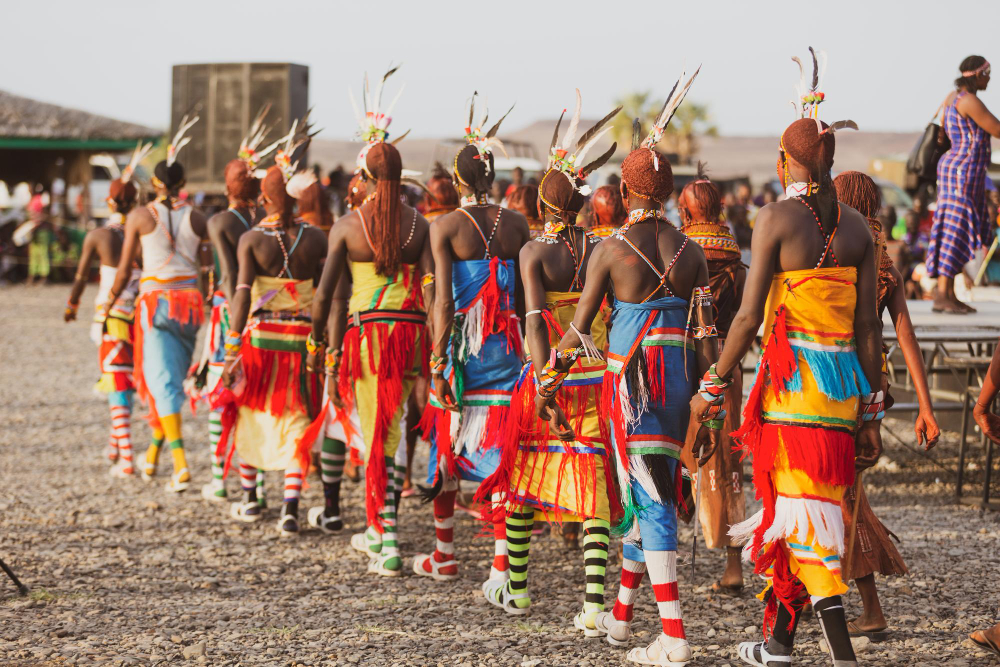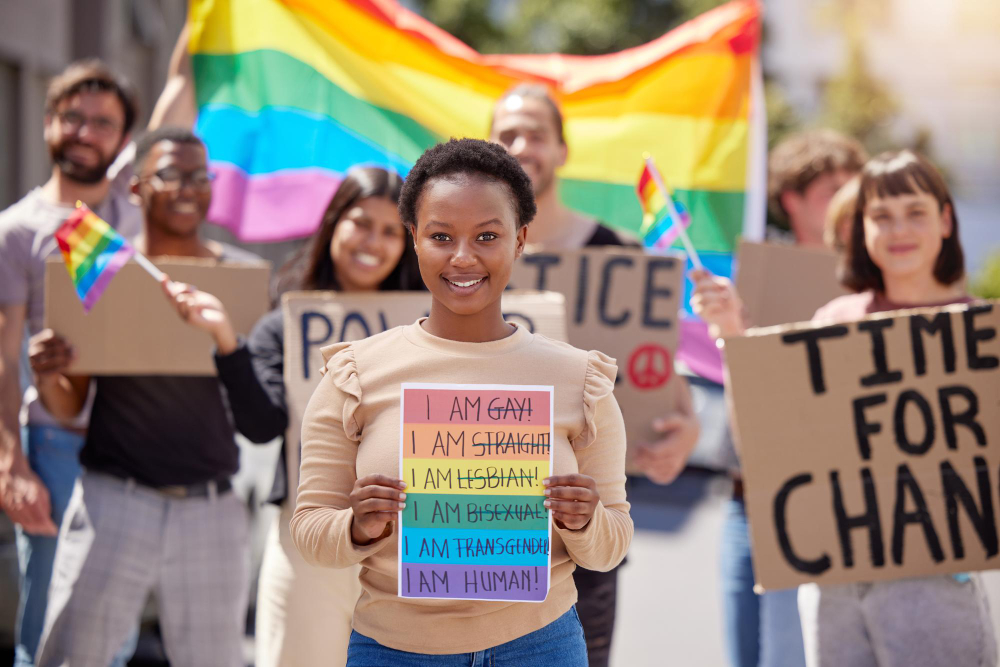
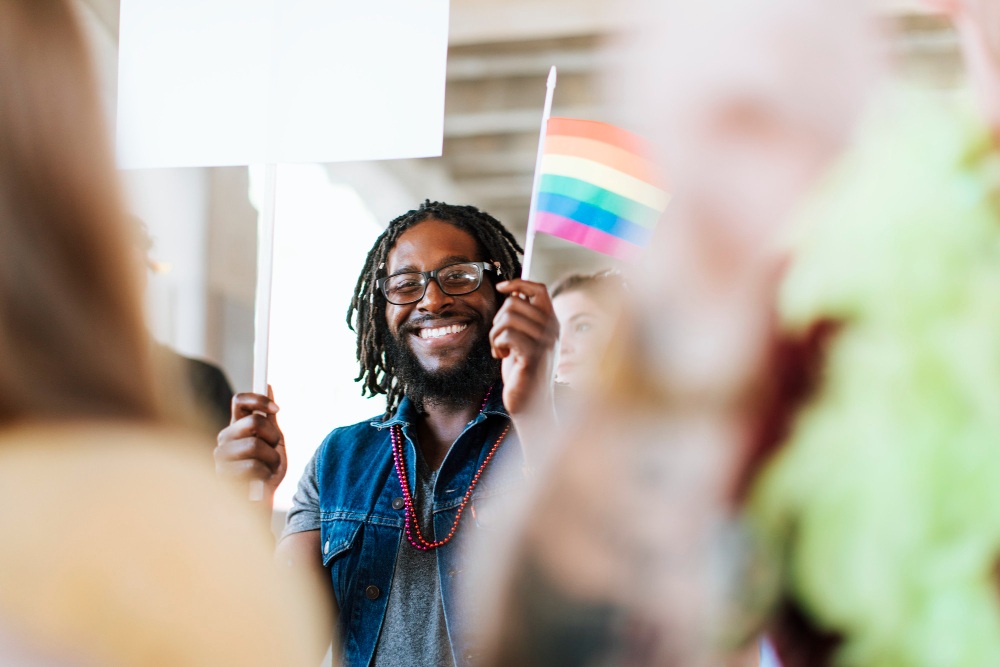
African queer icons you should know come from diverse regions, cultures and generations across the continent. Their stories reflect courage, resilience and determination in environments that often challenge queer visibility. Learning about these icons helps strengthen identity, inspire advocacy and preserve the rich history of African LGBTQ communities.
Why Queer Icons Matter
Queer icons provide representation, hope and guidance for future generations. Their visibility challenges harmful stereotypes and shows that queer Africans have always contributed meaningfully to culture, activism and history.
Icons matter because they:
- Normalize LGBTQ identities
- Inspire younger generations
- Strengthen advocacy movements
- Preserve cultural memory
You can explore more educational content through our Resource Center.
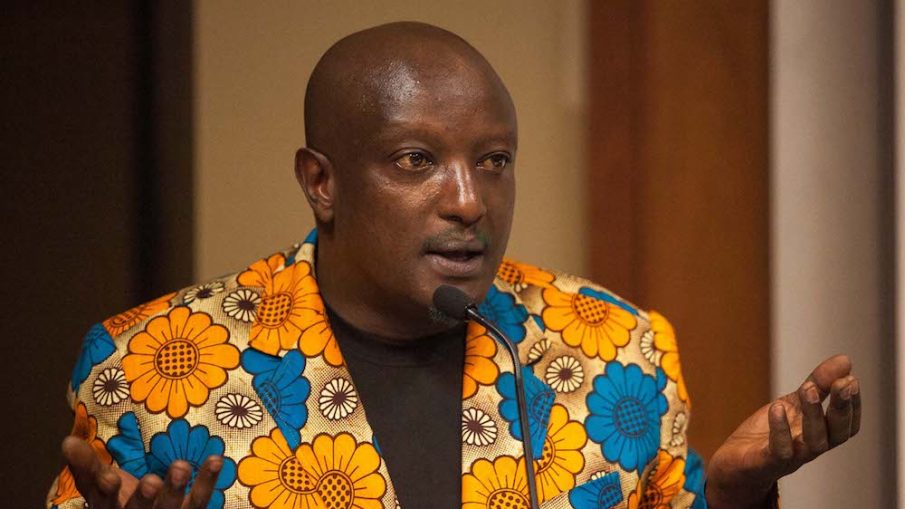
Binyavanga Wainaina
Binyavanga Wainaina, a celebrated Kenyan writer and activist, is one of Africa’s most influential queer icons. His bravery in coming out publicly shifted conversations about LGBTQ rights in East Africa.
His contributions include:
- Award winning literary work
- Bold public advocacy
- Challenging harmful narratives
His story continues to inspire queer Africans across the continent.
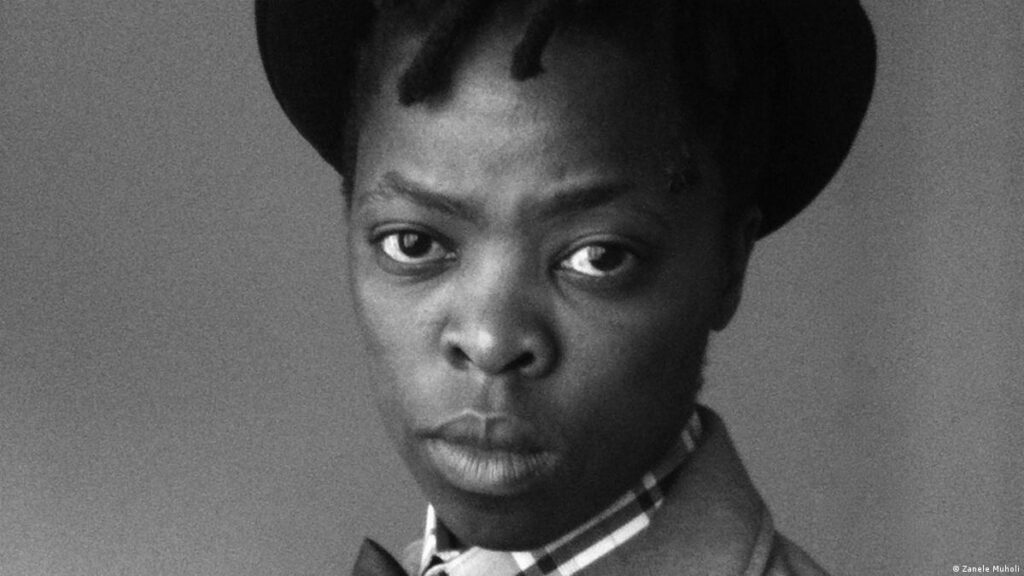
Zanele Muholi
Zanele Muholi, a South African visual activist, uses photography to document and celebrate queer lives. Their work centers Black LGBTQ individuals who are often erased from mainstream narratives.
Their impact includes:
- Transformative visual storytelling
- Global exhibitions
- Documenting queer identity with dignity
Their art preserves history and uplifts marginalized voices.
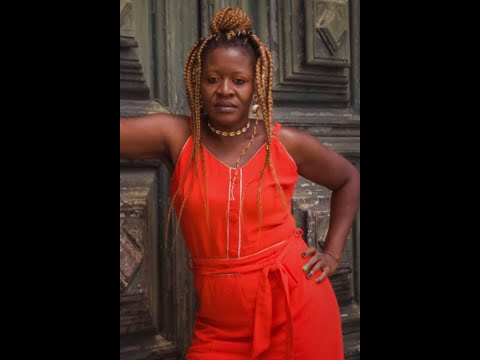
Okwei Odili
Okwei Odili is a Nigerian musician and activist known for her intersectional approach to human rights. She channels empowerment through art and community organizing.
Her work includes:
- Music with powerful social messages
- Advocacy against discrimination
- Creating safe cultural spaces
Her creativity inspires many queer Africans to embrace their identity.
Wanuri Kahiu
Wanuri Kahiu is a revolutionary Kenyan filmmaker whose work celebrates love, freedom and identity. Her film Rafiki sparked global conversations about queer representation in African cinema.
Her contributions include:
- Challenging censorship
- Creating queer affirming films
- Representing LGBTQ stories with authenticity
Her filmmaking opened doors for young queer creatives.
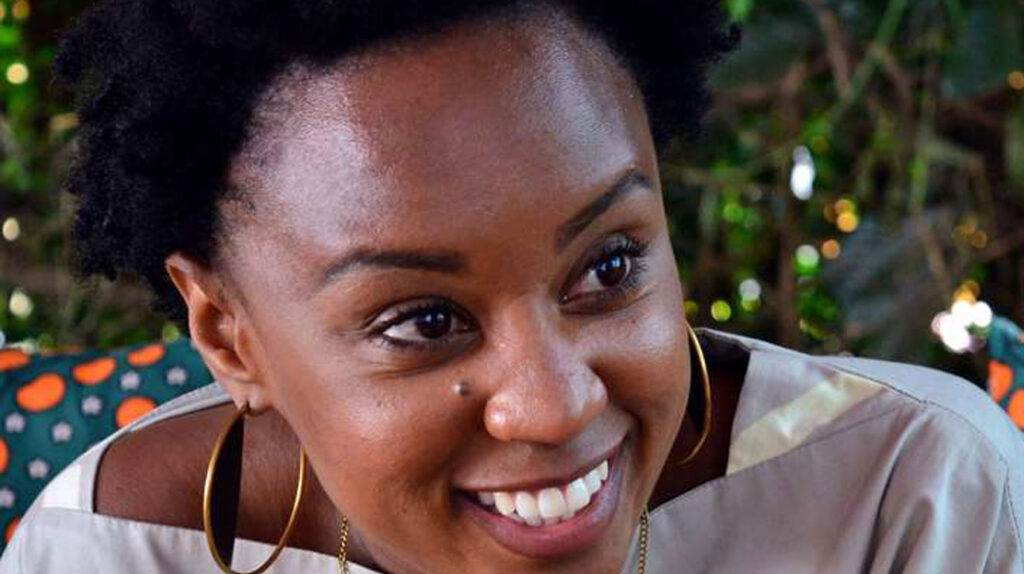
Somizi Mhlongo
Somizi Mhlongo is a South African media personality, choreographer and entertainer who has lived openly and proudly for decades.
His influence includes:
- Mainstream LGBTQ visibility
- Advocacy through media
- Inspiring confidence within queer communities
His life shows the power of authenticity.
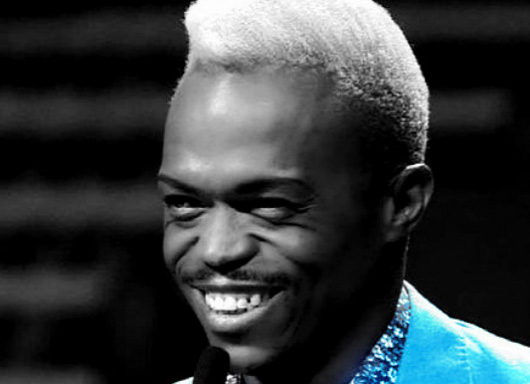
Nneka Onuorah
Nneka Onuorah is a Nigerian American filmmaker whose work explores queer identity, activism and self expression. Her documentary The Same Difference has been recognized globally.
Her work highlights:
- Intersectional queer experiences
- Visual activism through film
- Community empowerment
Her storytelling gives voice to underrepresented identities.
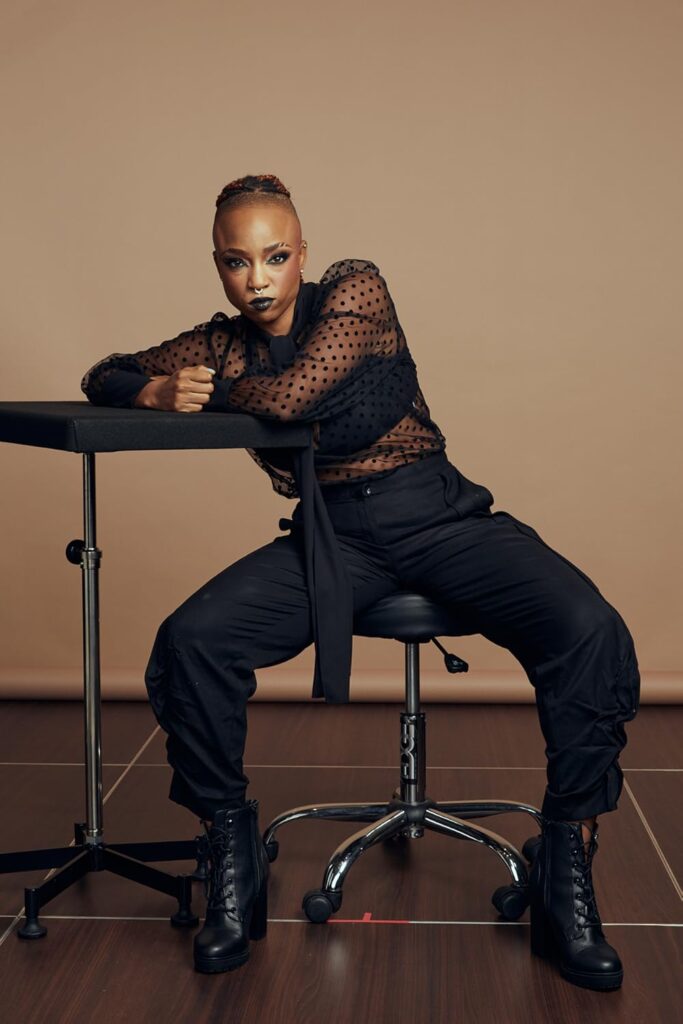
Phyll Opoku Gyimah
Phyll Opoku Gyimah, also known as Lady Phyll, is a British Ghanaian activist and co founder of UK Black Pride.
Her influence includes:
- Advocating for queer people of African descent
- Creating inclusive community spaces
- Leading global conversations on intersectionality
Her work strengthens visibility for African queer diasporas.
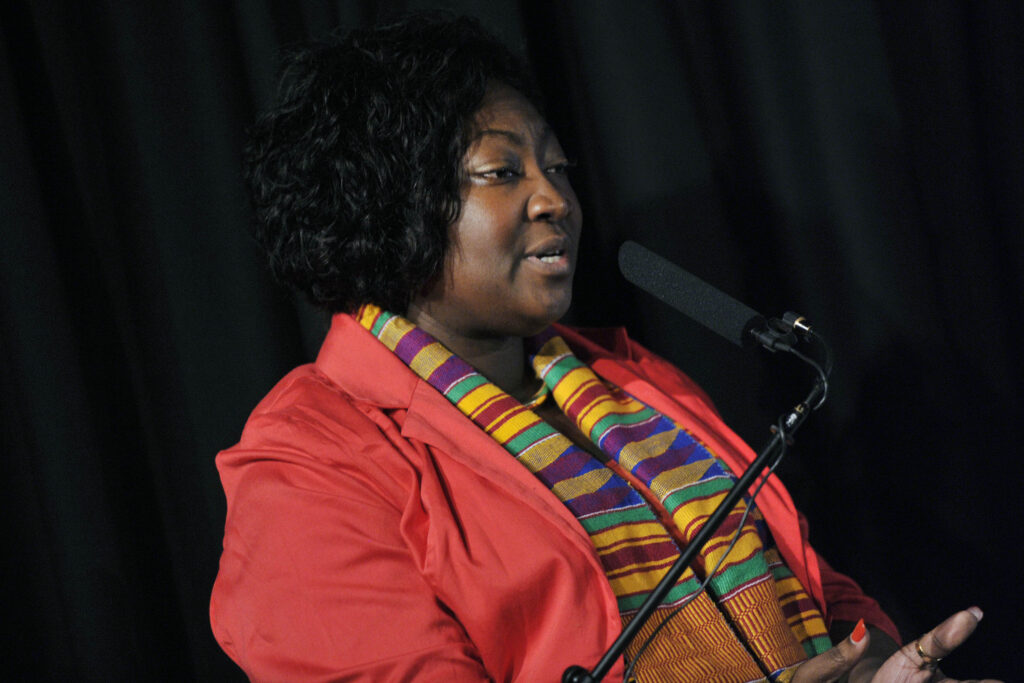
Why Celebrating Queer Icons Strengthens Community
Celebrating queer icons helps communities recognize their own power and cultural roots.
Honoring these leaders supports:
- Community pride
- Collective healing
- Cultural education
- Stronger advocacy movements
You can connect with supportive community spaces through our Community Page.
Frequently Asked Questions
Why is it important to learn about African queer icons?
It helps preserve history, build pride and inspire future generations.
Are there many queer icons across Africa?
Yes. Many activists, artists, thinkers and leaders have shaped LGBTQ history.
How can I learn more about queer African history?
You can explore educational tools in our Resource Center.
Why are some icons not widely celebrated?
Stigma and censorship often limit visibility, but their impact remains powerful.
Can queer icons inspire change today?
Yes. Their stories continue to guide advocacy and empowerment.
Final Call to Action
African queer icons you should know remind us that courage, creativity and resilience have always existed across the continent. To explore more historical insights, cultural education and supportive community spaces, visit our Resource Center or connect through our Community Page.