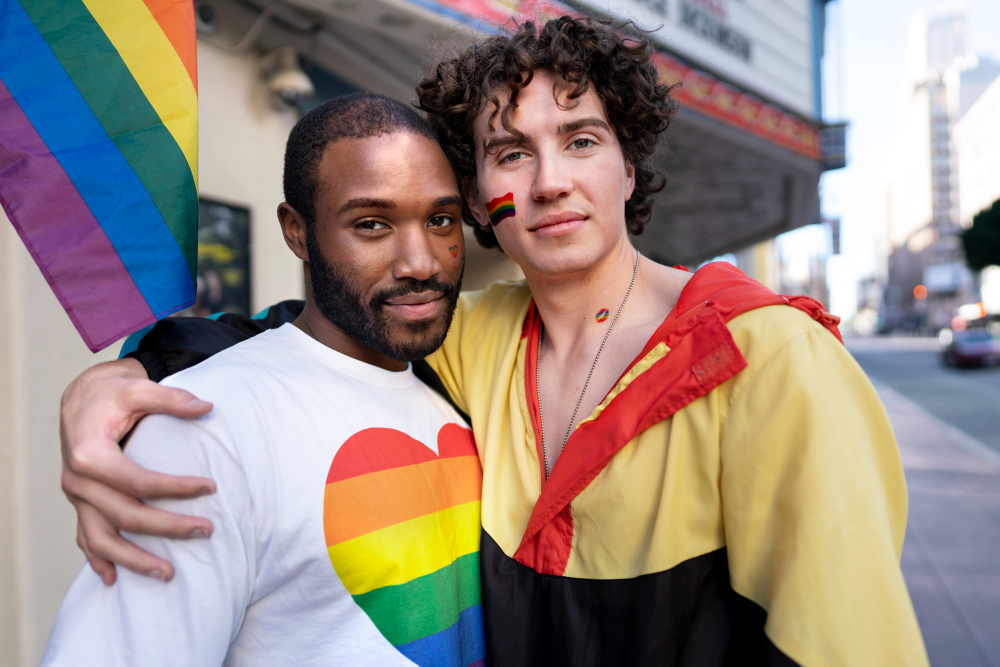
How to tell if a friend is supportive before coming out is a question many queer Africans ask quietly, especially in environments where safety cannot be taken for granted. Coming out is a deeply personal moment, and choosing the right person to trust can make a huge difference. This guide will help you recognise supportive behaviour, test the waters safely and protect your emotional well being.
Why Choosing the Right Person Matters
Coming out can bring relief, connection and freedom, but it can also carry risks in some African communities.
Choosing the right friend helps you:
- Stay emotionally safe
- Avoid rejection or betrayal
- Build a supportive circle
- Prevent forced outing
Our Support Page offers mental wellness tools to help you navigate these feelings.
Sign One They Respect LGBTQ People in Conversations
Pay attention to how they talk about queer people.
Supportive friends usually:
- Avoid hateful jokes
- Speak respectfully about LGBTQ identities
- Defend queer people in conversations
If they make harsh comments, they may not be safe to tell.
Sign Two They Keep Other People’s Secrets
How they handle other people’s private information is a strong indicator.
A supportive friend:
- Does not gossip
- Respects personal boundaries
- Keeps confidential information safe
If they frequently expose others, they might expose you too.
Sign Three They Show Empathy and Kindness
Supportive friends care about your feelings.
Look for signs such as:
- Listening without judgment
- Comforting you during difficult times
- Respecting your decisions
Empathy is a key sign of trustworthiness.
Sign Four They Ask Before Sharing Your Information
A trustworthy friend understands boundaries.
They will:
- Ask before posting your photos
- Avoid sharing your messages without permission
- Respect your privacy
This shows they understand consent and safety.
Sign Five They Are Open Minded About Differences
A supportive friend embraces diversity.
Signs of open mindedness include:
- Curiosity instead of judgment
- Respect for different lifestyles
- Willingness to learn
This makes them more likely to support your identity.
Sign Six You Feel Comfortable Being Yourself Around Them
Your body often knows before your mind does.
Notice if you:
- Relax around them
- Aren’t afraid of being judged
- Feel safe expressing your emotions
Comfort is a powerful indicator of trust.
Small Ways to Test If They Are Safe
You don’t need to come out immediately. You can test their reactions first.
Try:
- Mentioning a queer celebrity to see their reaction
- Talking about an LGBTQ story from our Resource Center
- Saying “I support LGBTQ rights” and observing their response
Their reaction tells you a lot.
What to Do if You Are Still Unsure
If you remain uncertain, you can:
- Delay coming out until you feel ready
- Seek support in anonymous online communities on our Community Page
- Talk to trusted LGBTQ friendly peers
- Prioritize safety over pressure
Your safety always comes first.
Frequently Asked Questions
What if my friend reacts badly
It is okay to step back. You are not required to explain your identity.
Should I come out if I feel unsafe
No. Safety should always be the first priority.
What if I lose a friend
If someone cannot accept you, they were not the right support system.
Can I come out online first
Yes. Many queer Africans use digital safe spaces.
Where can I find supportive communities
Visit our Resource Center and Community Page for identity and emotional support.
Final Call to Action
Learning how to tell if a friend is supportive before coming out helps protect your emotional and physical safety. For more tools on identity, community and mental wellness, visit our Resource Center or connect through our Community Page.