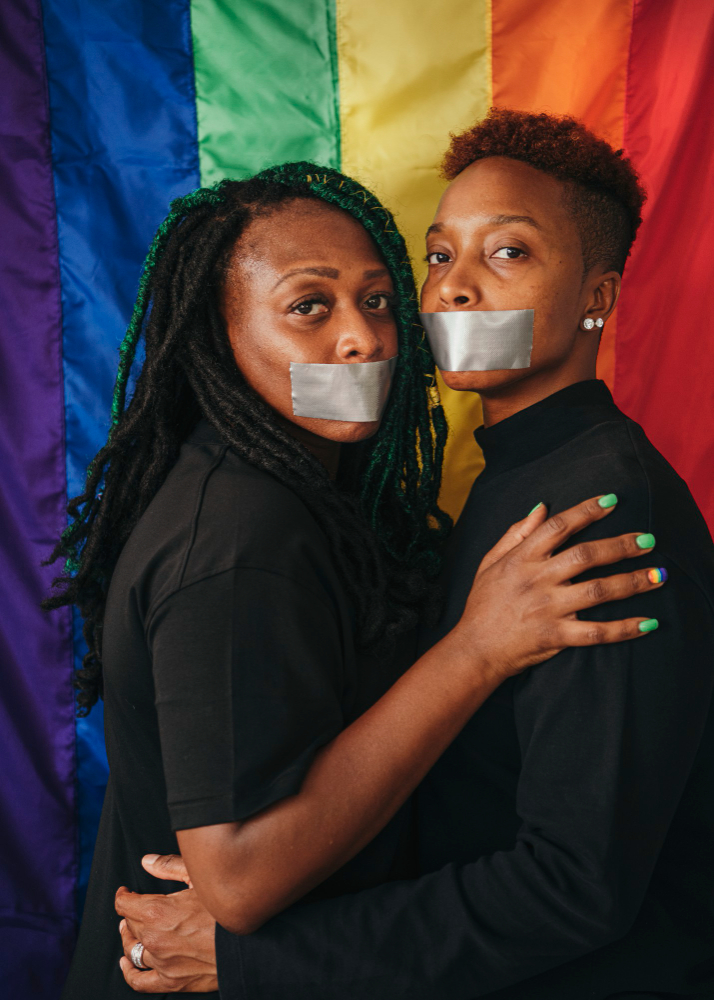
LGBTQ refugees asylum in Africa is a topic shaped by complex legal systems, cultural attitudes and human rights challenges. While some African countries offer asylum to LGBTQ+ individuals fleeing persecution, others provide little to no protection. This blog explains the realities queer refugees face, the countries offering support and the limitations within the asylum process.
Understanding LGBTQ Refugee Status
Under international law, LGBTQ+ people qualify for refugee status if they face:
- Violence or threats because of their identity
- State sponsored persecution
- Criminalization of same sex relationships
- Forced marriage or family based harm
The United Nations recognizes sexual orientation and gender identity as valid grounds for asylum.
African Countries That Accept LGBTQ Refugees
A few African countries allow LGBTQ+ refugees to apply for asylum, especially those with partnerships with the UNHCR.
These countries include:
- South Africa which provides legal asylum pathways and LGBTQ protections
- Kenya where UNHCR supports queer refugees, especially in Nairobi and Kakuma
- Rwanda which hosts refugees through UN systems, though protections vary
These countries offer some level of refuge but still face internal challenges.
Challenges LGBTQ Refugees Face Even in Host Countries
Even in countries that accept LGBTQ refugees, safety is not guaranteed.
Common challenges include:
- Harassment from other refugees
- Lack of safe housing
- Limited access to LGBTQ friendly healthcare
- Delays in asylum processing
Our Support Page provides mental health tools for navigating similar hardships.
Countries Where LGBTQ Asylum Is Extremely Limited
Many African countries do not accept LGBTQ+ asylum claims due to restrictive laws.
In these countries:
- Same sex relationships may be criminalized
- LGBTQ persecution is not recognized legally
- Refugees face deportation risk
This makes relocation within the continent extremely difficult.
UNHCR’s Role in Protecting LGBTQ Refugees
The UNHCR plays a crucial role because national governments often lack direct protections.
UNHCR support includes:
- Emergency housing
- Legal assistance
- Resettlement to safer countries
Platforms like our Community Page also help connect queer individuals seeking support.
Why Many LGBTQ Refugees Seek Resettlement Outside Africa
Due to widespread criminalization and stigma, many queer refugees eventually seek asylum outside the continent.
Reasons include:
- Safer legal protections abroad
- Access to LGBTQ friendly healthcare
- Lower risk of violence
Countries such as Canada, Germany and the USA often become final destinations.
Emotional and Mental Health Challenges
The refugee experience can be emotionally overwhelming.
Common struggles include:
- Trauma from past violence
- Fear of being targeted again
- Isolation in refugee camps
- Depression and anxiety
Our Resource Center offers tools for emotional resilience and identity support.
Staying Safe as an LGBTQ Refugee
Safety strategies include:
- Staying in UN supported shelters when possible
- Avoiding openly discussing identity in unsafe areas
- Building trusted networks
- Using secure digital platforms for communication
Safety and community support remain essential.
Frequently Asked Questions
Do LGBTQ refugees get asylum in Africa?
Yes, but only in a few countries such as South Africa, Kenya and Rwanda.
Is South Africa the safest option?
Yes. It offers legal protections and recognized LGBTQ rights.
Are refugee camps safe for queer people?
Not always. Many LGBTQ refugees face harassment from other residents.
Can LGBTQ refugees be resettled to Western countries?
Yes. UNHCR often facilitates resettlement for high risk individuals.
Where can LGBTQ refugees find support online?
Visit our Community Page or explore tools on our Resource Center.
Final Call to Action
Understanding whether LGBTQ refugees get asylum in Africa reveals the challenges and limited protections available. If you need guidance, emotional tools or community support, explore our Resource Center and connect safely through our Community Page.