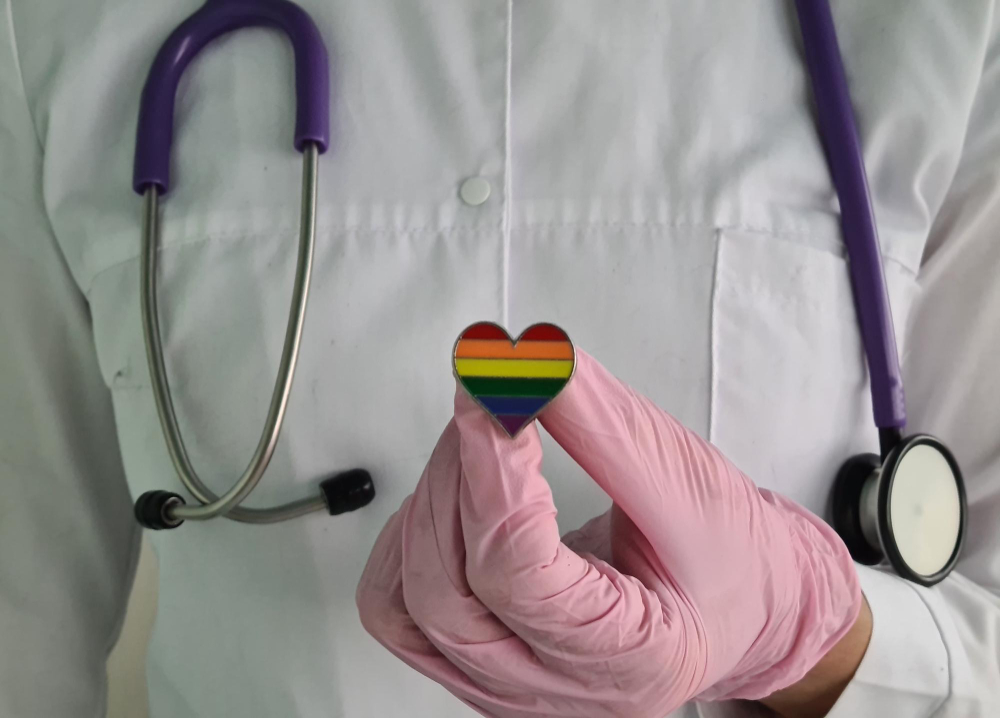
Understanding gender affirming healthcare options in Africa is essential for transgender and gender diverse individuals seeking safety, wellbeing and identity support. Access to gender affirming care varies widely across the continent, with some regions offering supportive services while others lack trained providers or operate within restrictive legal environments. Knowing what options exist helps individuals make informed decisions and find safer, affirming pathways to care.
What Gender Affirming Healthcare Means
Gender affirming healthcare includes any medical or supportive service that helps individuals align their physical, emotional or social identity with their gender.
This type of care may include:
- Hormone related support
- Mental health counseling
- Gender affirming surgery guidance
- Voice therapy
- Social transition support
You can explore educational materials on identity and wellbeing through our Resource Center.
Access to Hormone Support in Africa
Hormone related care is one of the most sought after gender affirming services. Access varies by country and is often influenced by provider training and legal limitations.
Individuals may access hormone support through:
- LGBTQ inclusive clinics
- Community health programs
- Private doctors familiar with trans care
- Online consultations from queer friendly professionals
When seeking hormone care, choosing trained and supportive providers is essential.
Mental Health Support for Gender Diverse Individuals
Mental health support plays a central role in gender affirming healthcare. Affirming counselors help individuals navigate identity, dysphoria, family challenges and emotional wellbeing.
Affirming mental health providers offer:
- Identity respecting counseling
- Trauma informed support
- Transition guidance
- Safe and confidential spaces
You can explore mental health guidance through our Support Page.
Navigating Limited Access to Medical Transition Options
In many African regions, access to surgeries or specialized services is limited. Barriers may include cost, lack of trained surgeons or unclear legal environments.
Despite these challenges, some individuals navigate transition by:
- Seeking consultations through international providers
- Using community referrals for safer options
- Accessing digital support for medical information
- Preparing long term transition plans
Understanding options helps reduce risk and promote safer decision making.
Voice Therapy and Non Medical Affirmation Tools
Voice therapy is an important gender affirming tool for many trans individuals. It helps build confidence, reduce dysphoria and strengthen identity expression.
Voice related support may include:
- Online voice training programs
- Speech therapists with LGBTQ experience
- Community led tutorials
- Safe digital courses
Non medical options can significantly support gender expression.
Social Transition as a Form of Gender Affirmation
Not all gender affirming care is medical. Social transition allows individuals to express their identity in ways that feel authentic.
Social transition may include:
- Choosing affirming names
- Using correct pronouns
- Dressing in gender affirming ways
- Joining supportive communities
You can find welcoming community spaces through our Community Page.
Digital Healthcare as an Alternative Pathway
Digital platforms have become powerful tools for accessing gender affirming care across Africa. They offer safe and confidential spaces for those who cannot access local providers.
Digital healthcare may include:
- Online consultations with affirming professionals
- Digital mental health support
- Educational guides on safe care
- Peer support groups
These tools help bridge the gap created by limited in person services.
Addressing Stigma in Gender Affirming Healthcare
Stigma remains one of the biggest obstacles for trans and gender diverse Africans seeking care. Many individuals fear mistreatment, outing or denial of services.
Stigma impacts:
- Mental health
- Safety in healthcare settings
- Access to accurate medical guidance
- Confidence in seeking treatment
Our Support Page provides resources for navigating discriminatory environments.
Building a Personal Gender Affirmation Plan
A personal affirmation plan helps individuals organize their goals and navigate care safely.
A gender affirmation plan may include:
- Identifying affirming providers
- Setting mental health support routines
- Exploring digital healthcare options
- Planning long term medical steps
A structured plan reduces stress and builds confidence.
Frequently Asked Questions
What is gender affirming healthcare?
It includes medical, emotional and social services that support gender identity.
Is gender affirming care available in Africa?
Yes, but availability varies. Some clinics and digital platforms offer affirming care.
How can I find a safe provider?
Through community referrals, online queer networks and trusted LGBTQ friendly clinics.
Are there non medical ways to affirm gender?
Yes. Social transition, voice training and mental health support all play key roles.
Where can I get guidance if local options feel unsafe?
Our Support Page offers tools, safe digital resources and emotional guidance.
Final Call to Action
Understanding gender affirming healthcare options in Africa empowers individuals to take meaningful, safe and affirming steps in their journey. To explore supportive resources, identity tools and community connections, visit our Resource Center or engage with others through our Community Page. Your identity deserves respect, safety and affirmation.