
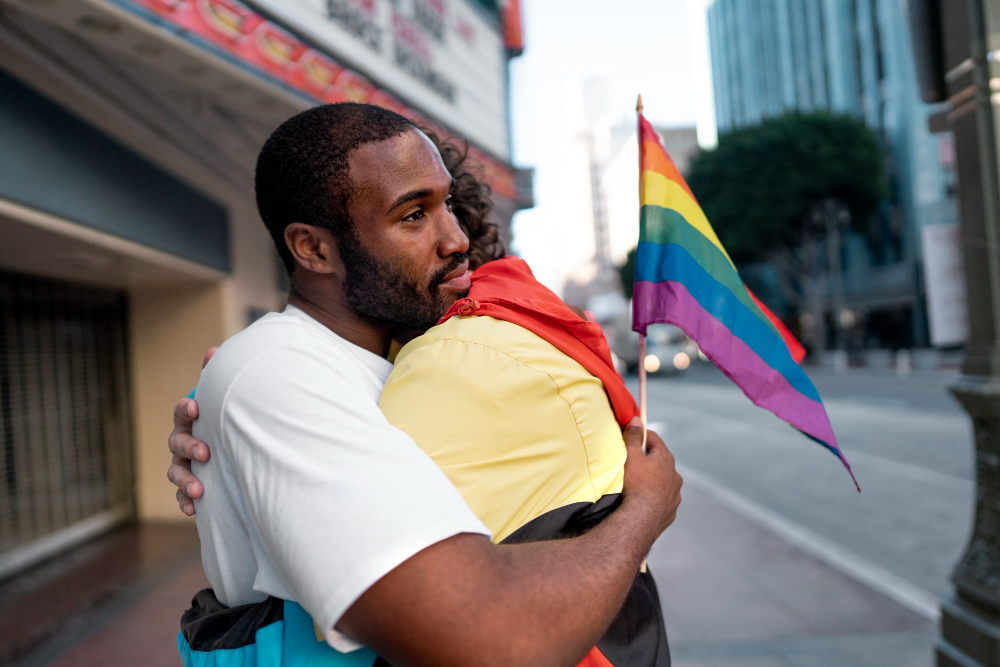
Dealing with stress in hostile environments is a daily reality for many queer Africans. When your surroundings feel unsafe or unwelcoming, even simple routines can become emotionally draining. Understanding how to manage stress helps protect your mental wellbeing and strengthens resilience.
How Hostile Environments Create Stress
Hostile environments often involve discrimination, rejection or threats that directly affect emotional health.
Common sources of stress include:
- Verbal harassment
- Family or community rejection
- Fear of being outed
- Lack of safe spaces
You can explore educational mental wellness tools through our Resource Center.
Recognizing Early Signs of Stress
Identifying stress early helps prevent emotional overload.
Signs of stress may include:
- Irritability or anger
- Difficulty concentrating
- Trouble sleeping
- Overthinking or fear
- Feeling overwhelmed or drained
Early recognition supports better coping.
Creating Small Safe Zones in Your Day
Safe zones can be emotional or physical pockets of peace, even in difficult environments.
Safe zones may include:
- Journaling quietly
- Meditating in a private space
- Connecting with supportive friends
- Listening to calming audio
You can connect with supportive communities on our Community Page.
Breathing and Grounding Techniques
Breathing exercises help calm the nervous system, especially when stress becomes intense.
Helpful grounding techniques:
- Slow breathing in and out
- Identifying sensations around you
- Gentle stretching
- Focusing on present moment awareness
These practices reduce anxiety and increase emotional stability.
Setting Emotional Boundaries
Boundaries are essential when living in environments that challenge your identity.
Healthy boundaries can involve:
- Limiting interactions with harmful people
- Avoiding triggering subjects
- Minimizing time in stressful spaces
- Prioritizing your mental wellbeing
Boundaries are an act of self protection, not conflict.
Seeking Queer Inclusive Support Systems
Having a support system helps you navigate stress more confidently.
Support can come from:
- Online queer communities
- Peer support groups
- Affirming counselors
- Trusted friends
You can find emotional support resources through our Support Page.
Managing Digital Stress
Hostile environments can also extend into digital spaces, so managing online exposure is important.
Digital stress management includes:
- Blocking harmful accounts
- Curating safe content
- Limiting time on triggering platforms
- Joining supportive online groups
Digital wellbeing protects your emotional peace.
Practicing Self Compassion
Self compassion helps counter the negative effects of hostility.
Self compassion involves:
- Speaking kindly to yourself
- Allowing time to rest
- Acknowledging your strength
- Accepting your emotions without shame
These practices help rebuild confidence and inner calm.
Creating a Stress Relief Plan
A structured plan helps you navigate stressful moments and stay grounded.
A stress relief plan may include:
- Contacting a trusted friend
- Using grounding exercises
- Engaging in relaxing activities
- Accessing online support tools
Having a plan reduces uncertainty and increases resilience.
Frequently Asked Questions
Why do hostile environments cause so much stress?
Because constant fear and rejection create emotional pressure that affects mental health.
What are simple ways to reduce stress?
Breathing exercises, grounding techniques and supportive connections help reduce stress.
How can I stay emotionally safe at home?
Create personal safe zones, set boundaries and connect with supportive communities.
Where can I find queer inclusive support?
Our Support Page provides access to safe and affirming resources.
Can stress be managed even if the environment does not change?
Yes. With strong coping tools, support systems and self compassion you can manage stress more effectively.
Final Call to Action
Dealing with stress in hostile environments is challenging, but you deserve peace, safety and support. To explore wellbeing tools, mental health guidance and community spaces, visit our Resource Center or connect through our Community Page. You are not alone, and your wellbeing matters.