
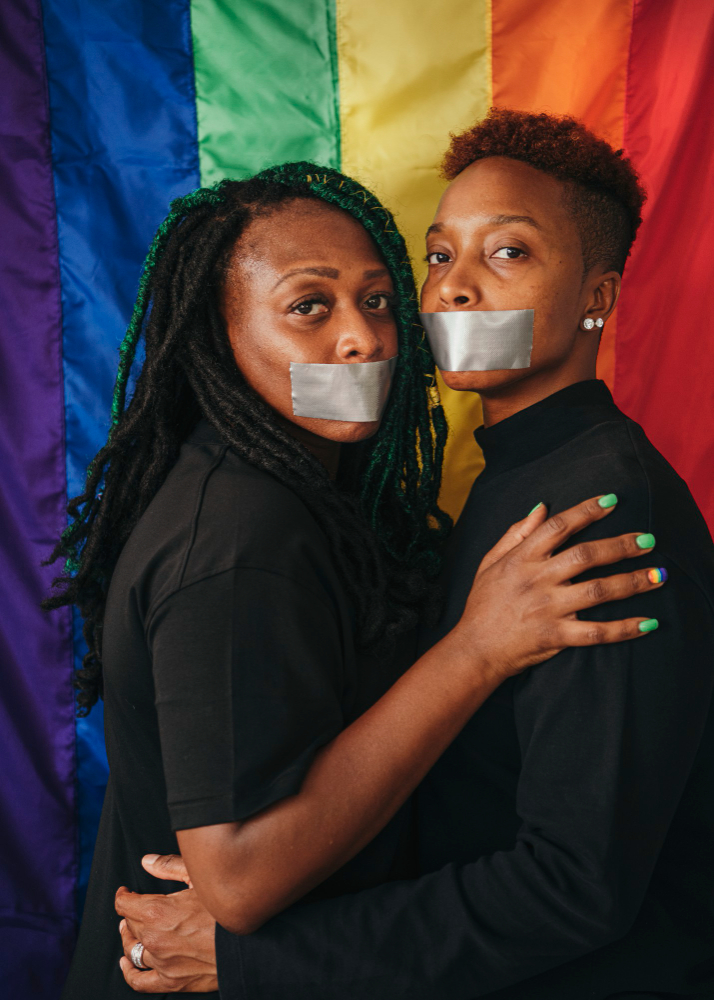
Navigating depression and anxiety in unaccepting environments is a reality many queer Africans face. Living in spaces where identity is questioned or condemned can create emotional strain, fear and loneliness. Understanding how to cope with these challenges is essential for mental wellbeing and personal resilience.
How Unaccepting Environments Affect Mental Health
Unaccepting environments shape mental health in powerful ways. Constant exposure to judgment or hostility can worsen depression and heighten anxiety.
These environments may involve:
- Family rejection
- Community stigma
- Workplace discrimination
- Limited supportive spaces
Educational mental health guidance is available through our Resource Center.
Recognizing Signs of Depression and Anxiety
Knowing how depression and anxiety manifest helps individuals seek help earlier.
Common signs include:
- Persistent sadness
- Overthinking and fear
- Loss of interest in routines
- Isolation from others
- Physical symptoms such as fatigue or headaches
Recognizing these signs is the first step toward emotional recovery.
Creating Personal Safe Spaces
Even in unaccepting environments, it is possible to create pockets of emotional safety.
Personal safe spaces might include:
- Journaling or creative expression
- Spending time in nature
- Listening to soothing audio or music
- Connecting digitally with supportive communities
You can find safe digital community options through our Community Page.
The Importance of Supportive Connections
Supportive relationships help soften the emotional impact of rejection or stigma.
Trusted support may come from:
- Online queer communities
- Friends who affirm identity
- Peer support groups
- Mental health allies
These connections strengthen emotional resilience.
Practicing Grounding Techniques for Anxiety
Grounding techniques help manage anxiety when the environment feels overwhelming.
Useful grounding practices include:
- Slow breathing exercises
- Naming five things you can see, hear or touch
- Stretching or gentle movement
- Focusing attention on the present moment
These tools help calm the body and reduce anxious thoughts.
Setting Emotional Boundaries
Boundaries protect mental health when environments become emotionally harmful.
Healthy boundaries may involve:
- Reducing time with hostile individuals
- Avoiding triggering conversations
- Limiting engagement in unsafe spaces
- Prioritizing emotional wellbeing over expectations
Setting boundaries is an act of self care, not disrespect.
Seeking Queer Inclusive Support
Accessing support from queer inclusive sources ensures you are heard without judgment.
Support options include:
- Online counseling platforms
- LGBTQ affirming therapists
- Peer support communities
- Trauma informed resources
You can explore safe support tools through our Support Page.
Strengthening Self Acceptance
Self acceptance helps reduce the emotional effects of unaccepting environments.
Self acceptance encourages:
- Confidence in identity
- Reduced internal conflict
- Emotional clarity
- Personal empowerment
Exploring educational tools in our Resource Center can help build self acceptance.
Creating a Mental Health Safety Plan
A safety plan offers guidance during emotionally heavy moments.
A mental health safety plan may include:
- Contacting trusted support people
- Using grounding techniques
- Engaging in calming activities
- Identifying safe digital spaces
A plan strengthens stability during challenging times.
Frequently Asked Questions
Why do unaccepting environments worsen depression and anxiety?
They create fear, isolation and emotional pressure which affect mental wellbeing.
What can help reduce anxiety in hostile environments?
Grounding techniques, supportive connections and personal safe spaces help ease anxiety.
How can I cope with family rejection?
Seek affirming communities, set boundaries and access emotional support through safe platforms.
Are digital mental health spaces safe?
Many queer friendly platforms provide confidential and supportive environments.
How can I build resilience while living in an unaccepting environment?
Through supportive networks, self acceptance, mental health tools and strong boundaries.
Final Call to Action
Navigating depression and anxiety in unaccepting environments is challenging, but you are not alone. To explore mental health guidance, resilience tools and supportive community spaces, visit our Resource Center or connect through our Community Page. Your wellbeing and identity deserve safety, respect and care.