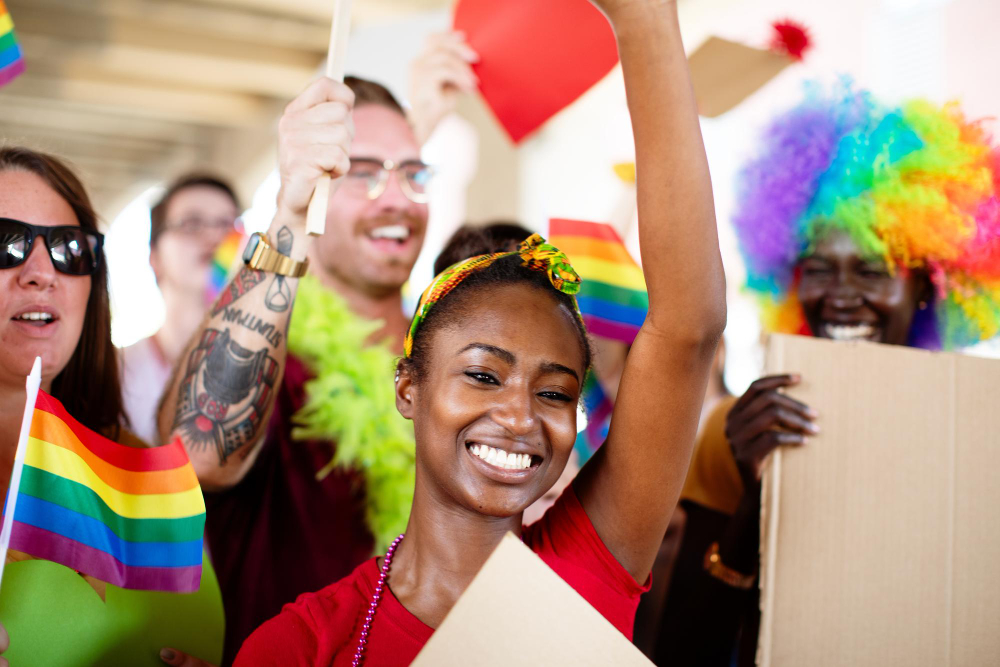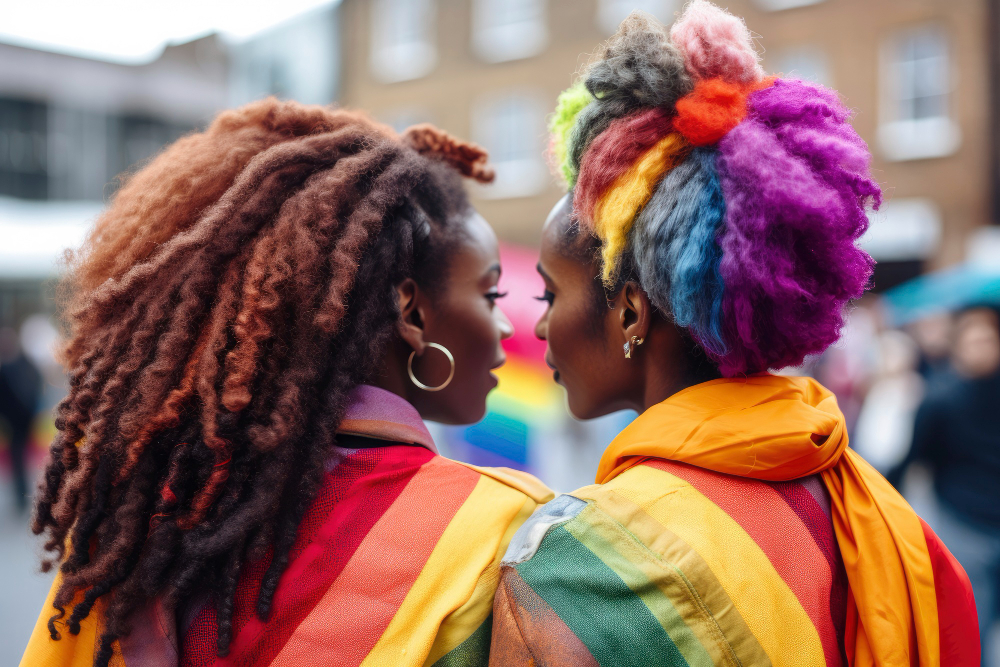
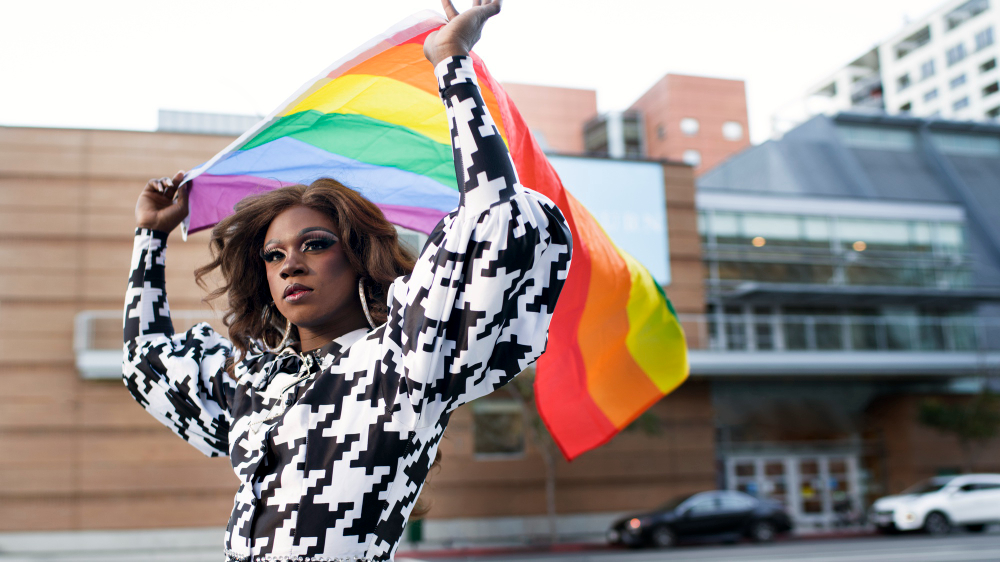
Understanding misconceptions about LGBTQ rights in Africa is essential for addressing stigma and promoting informed conversations. Misunderstandings rooted in colonial laws cultural myths and misinformation often fuel discrimination. Challenging these myths helps create safer environments for queer Africans and encourages communities to embrace truth empathy and respect.
Myth One LGBTQ Identity Is Un African
One of the most persistent misconceptions is that queerness is foreign to African cultures. This belief is widely promoted yet historically inaccurate. African societies have always held diverse gender expressions and same sex relationships long before colonial rule.
Historical evidence shows that:
- Queer identities existed across multiple ethnic groups
- Colonial laws introduced harsh anti LGBTQ policies
- Traditional African cultures recognized fluid expressions of identity
You can explore more culturally grounded educational materials in our Resource Center.
Myth Two LGBTQ Rights Are a Western Agenda
Many believe LGBTQ rights are imposed by the West. In reality African activists have always led local queer movements challenging discrimination based on lived experiences rather than foreign influence.
African LGBTQ advocacy is driven by:
- Community activists
- Local human rights defenders
- African youth leaders
- Regional organizations standing for equality
Representation of African voices in advocacy continues to grow across the continent.
Myth Three Legal Restrictions Represent African Values
Another misconception assumes that anti LGBTQ laws reflect original African values. Most restrictive laws across the continent were introduced during colonial rule not created by African cultures.
Colonial laws influence:
- Criminal codes still used today
- Public morality policies
- Social stigma and discrimination
Understanding this helps communities reconnect with authentic African values that emphasize respect and humanity.
Myth Four LGBTQ People Do Not Face Real Threats
Some argue that discrimination is exaggerated. However queer Africans face real and documented challenges including harassment violence blackmail and denial of services.
These challenges affect:
- Safety in public environments
- Access to healthcare
- Mental health
- Freedom of expression
If you or someone you know is struggling emotionally or facing safety challenges you can explore guidance through our Support Page.
Myth Five LGBTQ Visibility Encourages Immorality
Visibility does not encourage immorality it encourages understanding. When queer Africans share their experiences it promotes empathy breaks stereotypes and challenges misinformation.
Visibility supports:
- Healthier conversations
- Stronger advocacy
- Representation in media and politics
- Community empowerment
Positive representation helps shift societal attitudes and create supportive environments.
Myth Six All African Countries Oppose LGBTQ Rights
Africa is not a monolithic region. Several African nations have made progress toward equality by decriminalizing same sex relationships or adopting anti discrimination protections.
Progressive steps include:
- Legal reforms
- Community awareness campaigns
- Youth led advocacy
- Regional human rights support
These developments reflect diverse perspectives across the continent.
Digital Activism Helps Debunk These Misconceptions
Digital platforms empower Africans to challenge myths and share verified information. Online communities and activists use storytelling education and global solidarity to reshape public perception.
Digital activism enables:
- Safe discussions
- Anonymous engagement
- Access to accurate information
- Stronger community connections
You can join supportive digital communities through our Community Page.
Partnerships With Global Human Rights Organizations
Organizations such as Human Rights Watch and Amnesty International document human rights violations and support African advocacy. Their reports help debunk myths by providing credible evidence of discrimination.
Global partnerships support:
- Awareness campaigns
- Legal advocacy
- Protection for activists
- Educational research
Frequently Asked Questions
Why do misconceptions about LGBTQ rights persist
They persist due to misinformation colonial influences cultural myths and lack of inclusive education.
Are LGBTQ identities truly part of African history
Yes historical records across Africa document diverse gender identities and same sex relationships long before colonization.
Do all African countries criminalize LGBTQ identities
No several countries have decriminalized same sex relationships and are advancing legal protections.
How can communities challenge these myths
By learning accurate information promoting respectful conversations and supporting local advocacy.
Where can I find reliable LGBTQ educational resources
Our Resource Center provides trustworthy information for learning and awareness.
Final Call to Action
Breaking misconceptions about LGBTQ rights in Africa begins with knowledge honesty and compassion. To learn more about queer history advocacy and supportive networks visit our Resource Center or connect with others through our Community Page. Together we can promote truth and build more inclusive communities across the continent.