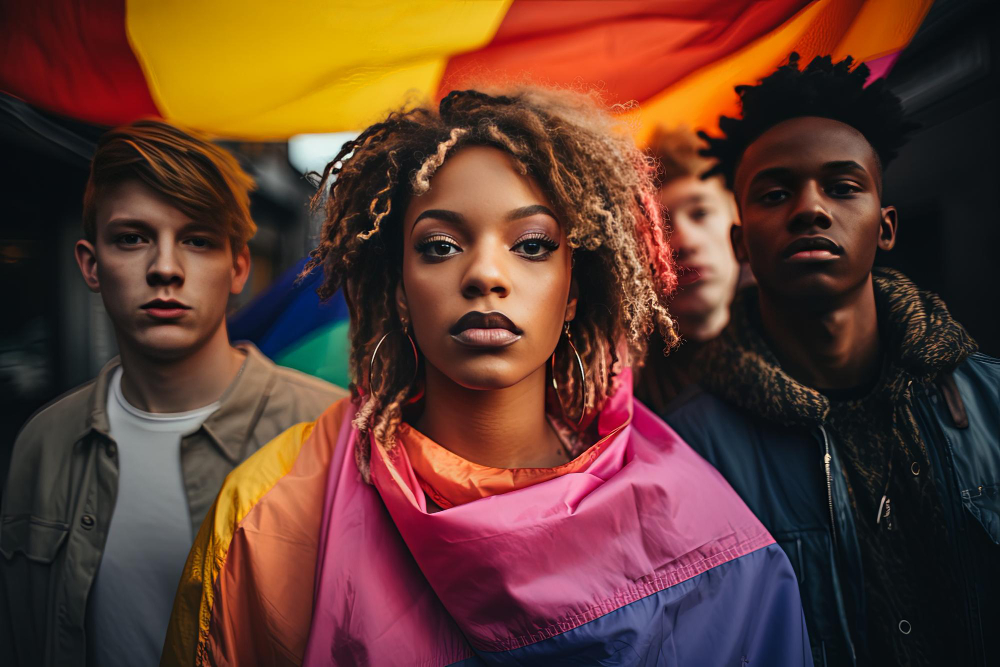
Understanding the laws queer Africans should know in 2025 is essential for navigating safety identity and daily life across the continent. Legal environments vary widely between African countries and these laws have direct effects on healthcare access public safety freedom of expression and personal wellbeing. Being informed empowers queer individuals to protect themselves make informed decisions and connect with reliable support networks.
Decriminalization and Legal Progress in Some African Countries
While many nations still enforce restrictive laws several African countries have taken steps toward decriminalizing same sex relationships or adopting rights based protections.
Legal progress improves:
- Access to justice
- Safety in public spaces
- Healthcare inclusion
- Community visibility
To learn more about evolving legal landscapes you can find educational materials in our Resource Center.
Countries That Continue to Criminalize Same Sex Relationships
A significant number of African nations still criminalize same sex relationships using colonial era laws that punish queer identity. These laws often contribute to stigma discrimination and violence.
Criminalization may lead to:
- Arrest or imprisonment
- Police harassment
- Blackmail or extortion
- Difficulty accessing services
If you feel unsafe or overwhelmed emotionally you can visit our Support Page for guidance and mental health resources.
Know Your Rights When Interacting with Authorities
Even in restrictive environments queer Africans maintain certain rights. Understanding these protections can reduce risk when dealing with law enforcement or community authorities.
Key rights include:
- The right to remain silent
- The right to legal representation
- Protection from unlawful searches
- Protection from physical harm
Local legal clinics and advocacy groups often provide discreet know your rights training to empower community members.
Understanding Anti Discrimination Measures
In a few African countries anti discrimination laws protect individuals from unfair treatment based on sexual orientation or gender identity. These limited but important protections support access to employment education and public services.
Anti discrimination laws help:
- Prevent workplace harassment
- Ensure fair medical treatment
- Promote equal access to services
Although these protections are not widespread they represent meaningful steps toward equality.
Laws Affecting Transgender and Gender Diverse Africans
Transgender and gender diverse individuals face additional legal challenges including restrictions on gender marker changes access to gender affirming care and recognition of their identity.
Common legal barriers include:
- Limited access to documentation changes
- Lack of gender affirming healthcare policies
- Social stigma reinforced by unclear laws
To explore mental health and identity support you can visit our Support Page.
Digital Safety and Online Expression Laws
In 2025 digital expression plays a large role in queer visibility but also presents risks in some regions. Certain countries enforce cybercrime or morality laws that can be used to target LGBTQ+ individuals.
Be aware of laws regarding:
- Online activism
- Digital surveillance
- Social media expression
- Sharing advocacy content
Using safe online practices and secure platforms helps maintain privacy. Our Community Page offers access to supportive digital spaces where individuals can connect safely.
The Role of International Human Rights Organizations
Organizations such as Human Rights Watch and Amnesty International document human rights violations and advocate for legal reforms across Africa. Their reports help raise awareness strengthen local advocacy and encourage accountability.
International support contributes to:
- Legal reform pressure
- Global awareness campaigns
- Emergency support for activists
Preparing a Personal Safety Plan
Knowing the laws that affect queer Africans in 2025 also means preparing for potential risks. Personal safety planning helps individuals respond calmly in stressful situations.
Effective safety planning includes:
- Identifying trusted contacts
- Knowing local emergency numbers
- Protecting digital accounts
- Understanding safe movement options
Educational materials in our Resource Center can support you in creating a personalized plan.
Frequently Asked Questions
Why do laws differ so much across African countries
Legal differences stem from political environments historical colonial codes cultural beliefs and varying levels of advocacy.
Are there African countries that protect LGBTQ+ rights
Yes a few countries have decriminalized same sex relationships and introduced anti discrimination protections.
What should queer Africans do if they face legal threats
Seek guidance from community legal clinics advocacy groups or trusted human rights organizations.
Do digital laws affect queer individuals
Yes certain cybercrime or morality laws can be used to target online expression making digital safety important.
Where can I learn more about my rights
You can explore guides on rights and safety through our Resource Center or connect with supportive communities on our Community Page.
Final Call to Action
Understanding the laws queer Africans should know in 2025 is vital for personal safety empowerment and advocacy. To access more tools resources and community networks visit our Resource Center or connect with others through our Community Page. Knowledge strengthens resilience and supports the ongoing fight for equality.